Balayage, Gray Coverage & Bespoke Hair Color in NYC
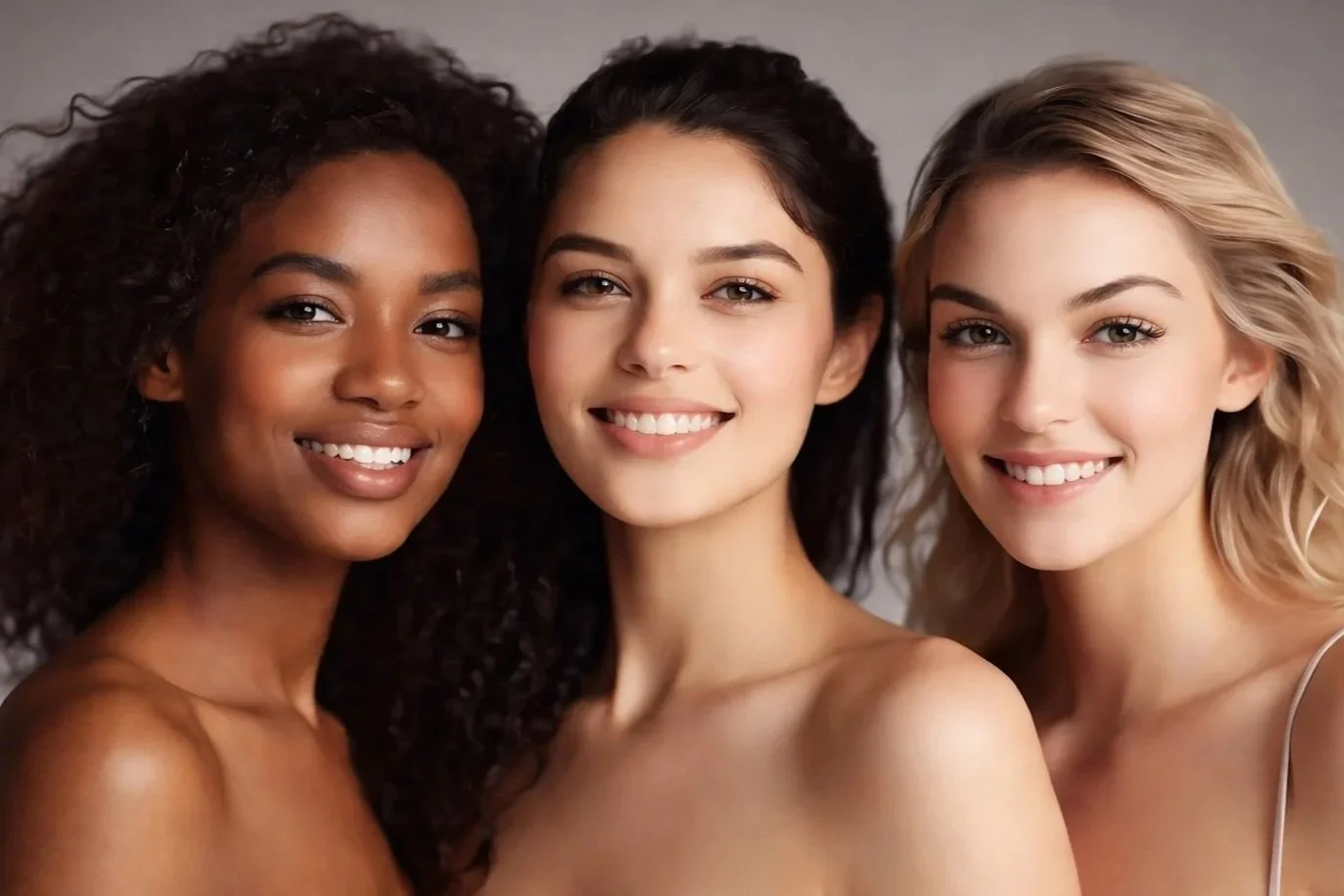
Effortless Color For The Real You — by Albert Narcisse.
I’m a Master Hair Colorist in Midtown Manhattan, and this is where I share what I’ve learned over thirty-five years of doing this work.
My work is centered on gray coverage, hand-painted balayage, and color that grows out beautifully.
I believe hair color works best when it disappears into who you already are.
Not a transformation. Not a statement. An alignment.
This site isn’t a service menu. It’s where I share what I think—about balayage, about gray transitions, about the language this industry uses and what it actually means. If something here resonates, an appointment is one click away. If it doesn’t, I hope the read was still worth your time.
What I Actually Believe
With over 35 years in the chair, a few things have settled into place for me — fewer opinions now, more just how I see the work:
Color should look like it grew there, not like it was applied.
Restraint photographs better than drama, and it ages better, too.
"Gray blending" is a real and useful term — but it describes an outcome, not a single technique.
A great result at week eight matters more than a great result on the day you leave the chair.
I'm not trying to convince you of any of this. I'm just being honest about how I see the work, in case it's useful to you the way it's been useful to me.
The Work
I specialize in balayage and lived-in color — hand-painted, low-maintenance, built to grow out with grace rather than urgency. Beyond that, my approach covers tonal refreshing, color correction, and keratin smoothing, always through the same lens: precision up front, so very little correction is needed later.
On Blonde and Dimension
Blonde is the one most likely to go sideways in a single afternoon — more than any other color I work with. Balayage in particular is often requested as if it's a single, fixed look, but I think of it more as a ratio — how much light lives at the ends versus how much depth stays near the roots. Too much contrast, and it reads as a phase. Too little and it disappears entirely. Most of what I'm doing is tuning that ratio to what the client's natural hair is already doing, so the color reads as an extension of it rather than something laid on top. That's usually the difference between a blonde who still photographs well in November and one who needs fixing by December.
On Gray Transition
Gray coverage is one of the things I get asked about most, and it's rarely as simple as clients expect when they walk in. The right approach depends entirely on the hair in front of me — density, growth pattern, how much gray is actually present, texture — and those factors change everything about how the color goes on and how long it holds. Some clients want full, even coverage. Others prefer a softer transition where the gray integrates rather than disappears completely, sometimes called blending. Either way, I walk through the options in consultation because the goal isn't just to cover gray — it's to find the version of coverage that still looks right as it grows out.
Read: What Gray Blending Actually Means — and Why the Term Gets Misunderstood
On Keratin Smoothing
Keratin smoothing is grouped with color services, but it really addresses a different problem — hair health rather than hair tone. Most people come to me for it because their hair has gotten harder to live with. Frizz that won't settle by 10 am, ends that stay dry no matter what's put on them, a blowout that used to last the week and now barely makes it to Wednesday. Smoothing treats the texture, not the color; what it changes is how clearly the color reads. I only bring it up when the hair itself is asking for it — when the goal is calmer, healthier-feeling hair, not shine for its own sake. For clients managing both color and years of heat styling or damaged hair, this is usually the piece that makes everything else — the balayage, the gray blending, the tonal work — actually read the way it's supposed to.
Read: Keratin Smoothing in NYC
Why I Keep This Small
I've worked in Midtown Manhattan for most of my career, and I've kept the client list small on purpose. Seeing fewer people means more time in consultation — actually studying the hair in front of me before recommending anything, rather than working from a request alone. It also means the colorist who does your consultation is the one who does your color every time, with no handoff to someone else to finish the work. For anything involving gray blending, correction, or hair with a long processing history, that continuity tends to matter more than people expect going in. If you're looking for a hair colorist in New York City who gets to know your hair over time rather than treating each visit as a one-off, that's the model here.
A Note on Aging
Most of what I do all day is really about the way hair changes with life — hair that's changing texture, changing density, going gray in a pattern nobody chose. Gray coverage is the piece of this work I get asked about more than almost anything else, and most of the industry still treats it as a problem to eliminate rather than a process to work with. I don't see it that way. Gray isn't a flaw to erase; it's information about the hair, and it changes what actually works. Hair in its forties and fifties often takes color differently than it did at twenty-five — drier in places, finer, more porous — and good gray coverage has to account for that, or it ends up looking flat or over-corrected within a few weeks.
What I usually do is build a relationship between the gray coming in and the color already there. Done well, it doesn't read as "still coloring her hair" — it just reads as her hair, at whatever age it happens to be. That's the same principle behind everything else in this practice: the best work doesn't announce itself.
I'd rather give a client gray coverage that ages well with her than color that looks young. Those aren't always the same goal — and chasing the second one is usually what makes hair look the most obviously "done."


Who This Is For
This is for you if:
You want color that looks intentional, not done.
You'd rather read something that makes you think than something that sells you.
You value restraint over reinvention.
You're curious what a colorist believes, not just what he offers.
If you're looking for constant transformation or the latest trend cycle, I'm probably not the right read — and that's fine.
Talk in Person
I see clients at OonArvelo Salon. If anything you've read here makes you want to meet, I'd welcome that conversation.
By appointment only · Midtown Manhattan
Photo: Lindsay Cash / Unsplash