The Luxury of Low Maintenance: High Standards for Effortless Color
Low-maintenance has become shorthand for "easy." In hair color, that interpretation is incomplete. Low-maintenance doesn't mean casual. It doesn't mean indifferent. And it certainly doesn't mean low effort. What it really means is thoughtful planning — color placed with restraint, designed to grow out naturally, and built to look intentional long after the first appointment.
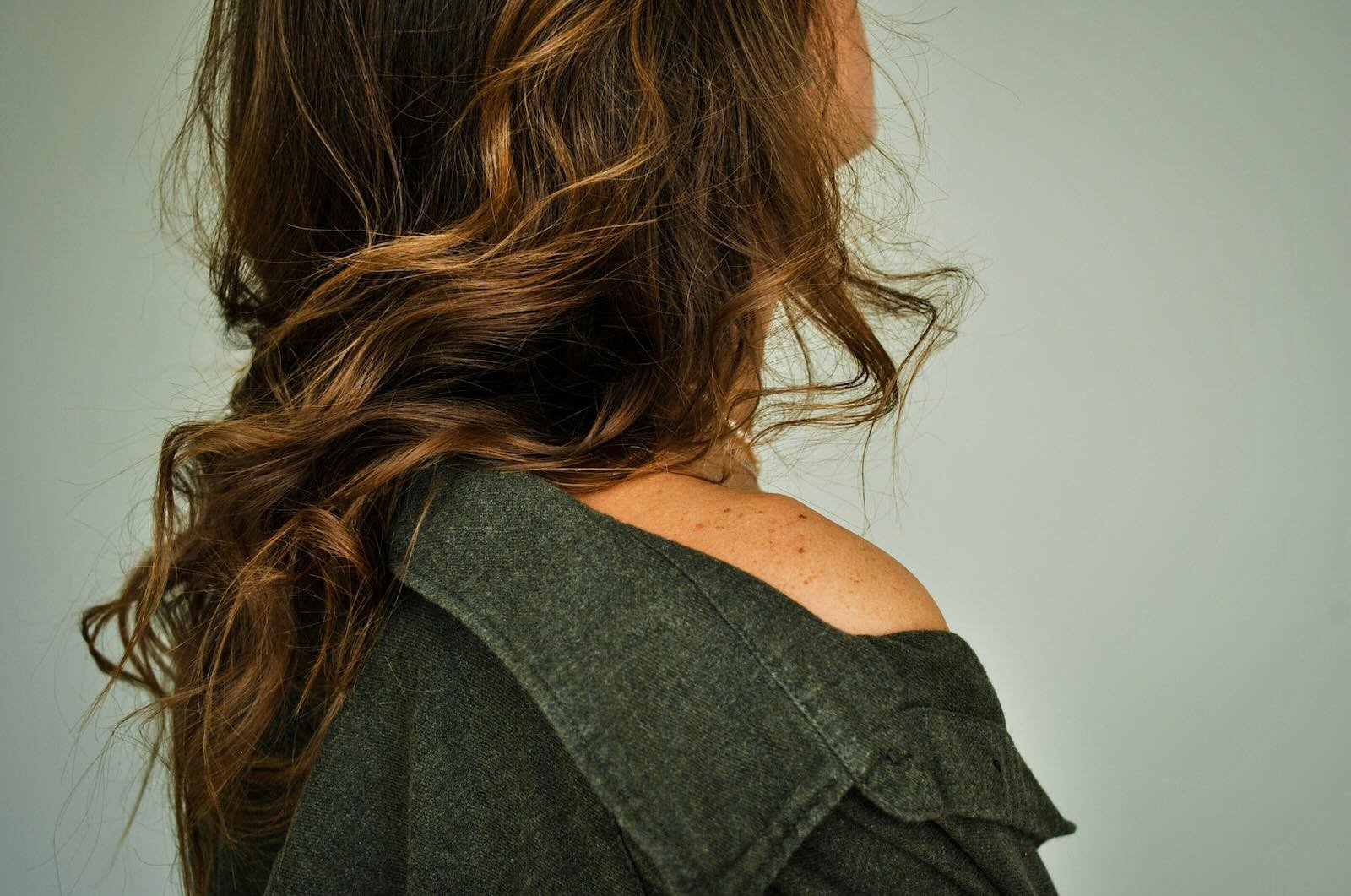
Low-maintenance color designed to hold its shape, tone, and movement between appointments.
The Harder Design Problem
Here is what most clients don't realize: low-maintenance color is technically more demanding to execute well than high-maintenance color. A bold highlight that needs to be toned and maintained every five weeks forgives a lot of imprecision — the color is going to be refreshed soon anyway. A balayage designed to last five months with a soft grow-out has to be placed correctly, toned correctly, and calibrated to the client's specific base and texture the first time. There is no rescue appointment built into the cycle.
The placement decisions that make low-maintenance color work — where the lightness starts on the strand, how much contrast is built in at the root, how the tonal direction is selected relative to how that specific base color ages — require more foresight than decisions made for a short-cycle result. The colorist isn't just deciding what looks good today. She's deciding what will still read as intentional in week twelve, when the root has grown in, the toner has softened, and the client hasn't been back since.
That level of planning is not passive. It is disciplined. And when it works, it's invisible — which is part of why people assume it must have been easy.
What Low Standards Actually Look Like
Poor design in low-maintenance color reveals itself gradually, in the weeks after the appointment rather than immediately. The signs are recognizable once you know what to look for.
Harsh root lines are the most visible symptom. When color is placed too close to the scalp without a proper blend, the grow-out doesn't soften — it draws a distinct line that becomes more obvious with every passing week. The result requires constant root touch-up to maintain, which is the opposite of what the client asked for.
Over-brightened ends are the second. When the lighter is pulled all the way through to the tips without accounting for the fact that the ends are older, more porous, and more reactive, the ends lift faster and to a higher level than the mid-shaft. The result looks uneven immediately and deteriorates quickly — the ends fade to a different tone than the rest of the color, the dimension collapses, and the hair starts looking like two different colors rather than a single, designed result.
The third tone collapses after a few washes. When the tonal direction is selected for maximum impact on day one — very cool, very ashy, very saturated — without considering how that tone fades on this client's particular base, the color can look beautiful leaving the salon and significantly different by week three. A well-designed tonal direction accounts for the fade: the color is placed slightly warmer or richer than the client's ideal, so that after fading, it arrives at exactly where it should be.
All of these failures share the same root cause: designing for the reveal rather than for residence. The appointment looked good on day one. It wasn't built to last.
Research on cosmetic hair color formulation confirms that the long-term behavior of hair color — including how quickly the tone fades, how evenly it deposits, and how it interacts with the hair's existing porosity — is determined primarily by decisions made during formulation and application, not solely by post-appointment care. Design quality, in other words, is the primary variable in color longevity.
What High Standards Actually Require
High standards in low-maintenance color don't announce themselves. They show up in how the hair behaves at week eight — how the root integrates rather than contrasts, how the tone has softened into something warmer and slightly more dimensional rather than faded, how the ends still have integrity and don't need a trim to look right.
The work behind that result is entirely front-loaded. The proportion of decisions made during the appointment determines everything that follows. The colorist is thinking about the client's lifestyle — how often she's actually willing to come in, what she's comfortable seeing in the mirror at week ten — and building a strategy around honest answers to those questions, not aspirational ones.
Restraint is the skill that most clients underestimate when they're watching the work happen. When less lightener is placed than the client might have expected, when a section is left darker than seems necessary, and when the overall effect looks modest in the chair, that restraint is often what makes the result hold. Overplaced color that looks dramatic immediately reads as overdone by week six. The restrained color, which looks precise, looks better at week six than it did on day one.
For the full framework on how this design philosophy is built and maintained over time. Read: Low-Maintenance Hair Color in NYC: What Actually Works
Why New York Makes This Harder
In a city where schedules shift constantly, where the humidity from May through September changes how hair behaves, where the pace of life makes salon visits an event rather than a routine, hair color cannot require rescue. It has to hold on its own across variable conditions, in real light on real days, rather than the controlled environment of the salon.
Low-maintenance color, when designed correctly, adapts to this environment. It adapts to travel, to heat, to humidity, to the inevitable weeks when there's no time for anything elaborate, and to hair that needs to work on its own. The clients in New York who are most satisfied with their color are those whose color was designed for their actual lives, not their idealized versions or the lives in the reference images, but the real ones with the real schedules.
That adaptability doesn't come from a lighter hand or less effort. It comes from better decisions made earlier.
For a closer look at what the ongoing attention that even low-maintenance color requires actually involves. Read: Why "Low-Maintenance" Hair Color Still Needs Maintenance (Just Less Often)
What Supports This Kind of Color
Color designed to last needs home care that complements rather than detracts from its design. A sulfate-free shampoo — Oribe Gold Lust Repair & Restore or Davines NOUNOU Shampoo — protects the tonal integrity that the placement decisions depend on. Color-depositing gloss treatments used at home every three to four weeks extend the life of the tonal direction and prevent the drift toward warmth that is the most common way a clean, intentional result starts looking tired.
UV protection matters more than most clients expect. Sunlight accelerates color fade in ways that are cumulative and invisible day to day, but significant over a season. A lightweight UV-protective mist applied before sustained outdoor exposure is a simple habit that extends longevity without adding any complexity to the routine.
Low-maintenance color is not about doing less. It is about doing it correctly from the beginning, so fewer corrections are needed later. When color is designed for longevity, it supports the schedule instead of interrupting it. That's not lower effort. It's higher standards applied strategically.
Effortless Color For The Real You.