Your Scalp in Summer: What's Actually Happening Up There
Most people think about their hair in summer. The dryness, the frizz, the color that fades faster than it should. What they don't think about — and what matters more — is the scalp underneath it.
The scalp is not just the place where hair grows. It is the foundation that determines how well it grows, how long color holds, and how healthy the hair actually is over time. And summer is the season that puts that foundation under the most stress.
Sweat. Sunscreen residue. Salt water. Chlorine. UV exposure. Product buildup compounded by heat. All of it lands on the scalp first.
If you are treating your summer hair concerns at the length while ignoring what is happening at the root, you are working on the wrong end of the problem.
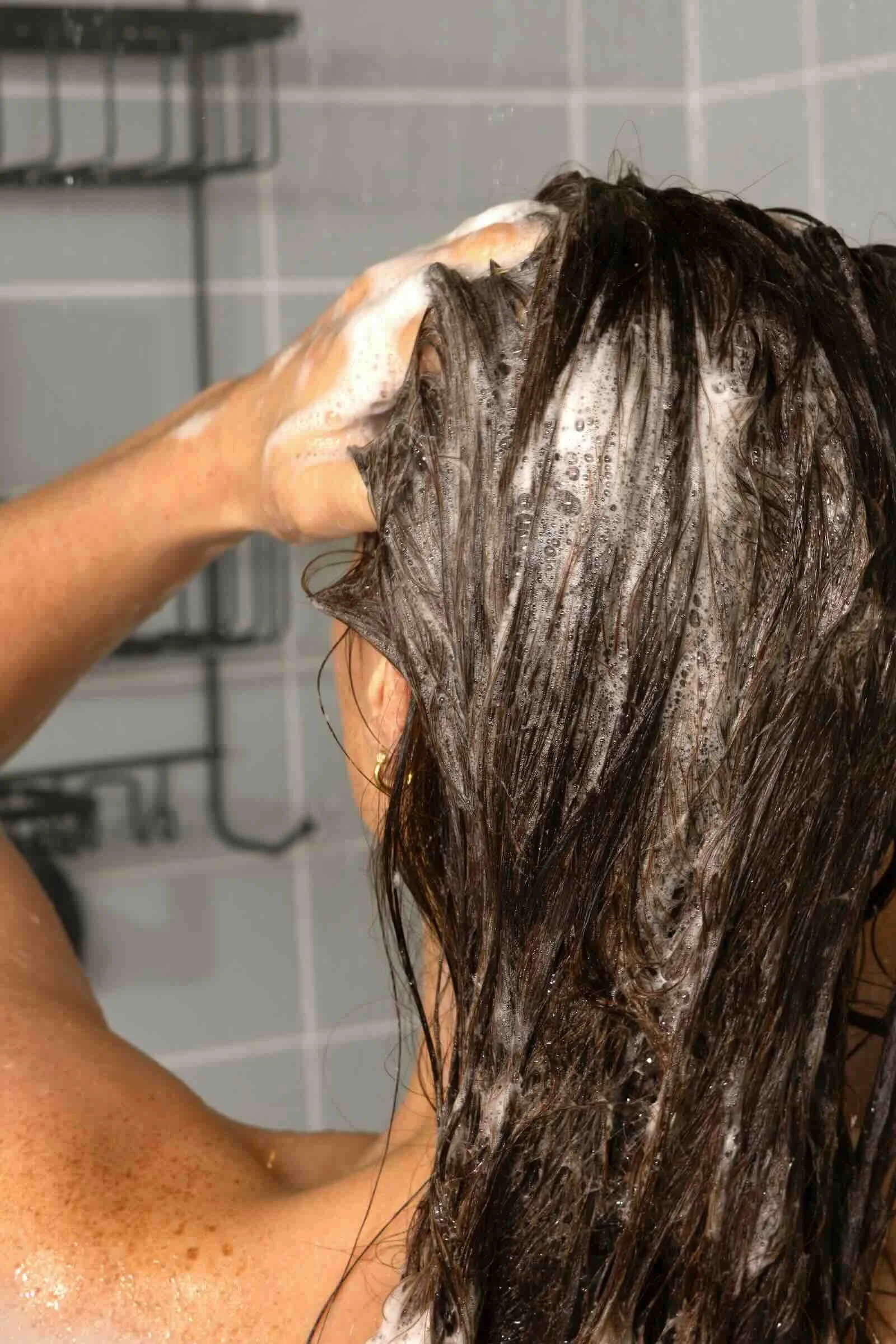
Scalp health starts here. What you use — and how often — determines everything that follows.
What Summer Does to the Scalp
The scalp behaves differently in summer than in any other season — and the shift is significant.
Heat increases oil production. Sweat mixes with product residue and environmental pollutants, creating a layer of buildup that sits at the follicle opening. Left unaddressed, that buildup interferes with everything: how hair grows, how color sits, how moisture moves through the strand. In summer, sweat and product buildup can clog hair follicles and directly impact hair health.
Sunscreen — which everyone should be using on the scalp, particularly along the part line — adds another layer of residue that standard shampoo does not always remove completely. The same is true for chlorine and salt water, both of which alter the scalp's pH and strip its natural moisture barrier.
After sun, salt, and chlorine exposure, a gentle cleanse to remove buildup from both the hair and scalp, followed by a nourishing conditioner to replenish lost hydration and smooth the cuticle, is the protocol that actually works.
The scalp is, in many ways, an extension of the skin. Just as a good skincare routine changes with the season, scalp care should, too — in summer, the focus shifts to managing buildup, regulating oil production, and protecting the hair follicles.
Read:
When Your Low-Maintenance Color Stops Working
Why This Matters for Color
A compromised scalp is a compromised color environment. The two are directly connected — and most clients don't make that link until they notice the color behaving differently.
When buildup sits at the root, color application becomes unpredictable. The formula is landing on residue rather than clean hair, which affects how tone takes and how long it holds. When the scalp's oil production is dysregulated — either stripped or overproducing — the color at the root behaves differently from the color through the lengths. When the scalp is irritated or inflamed from sun or chlorine exposure, the hair that grows from it is compromised before it even emerges.
This is why I ask about scalp behavior at every consultation. Not because I am being thorough for its own sake, but because the scalp tells me what the color will do before I apply a single formula.
A clean, balanced scalp holds color longer, accepts tone more evenly, and promotes healthier hair growth. It is the most overlooked variable in color maintenance, and the one with the most leverage.
What Actually Helps
The scalp needs different care in summer than it does the rest of the year. Here is what I point clients toward.
OUAI Detox Shampoo is the most targeted summer scalp tool I know. Built around apple cider vinegar and chelating agents, it removes not just product buildup but heavy metals, minerals, and chlorine. These specific aggressors accumulate during a summer of pools and outdoor living. Used once or twice a week in place of a regular shampoo, it resets the scalp without stripping it—and it's color- and keratin-treatment-safe, which matters for anyone leaving the chair and heading directly into summer. The chelating agents specifically target chlorine and hard-water minerals that cause color fading, making this as much a color-protection tool as a scalp one.
Rahua Voluminous Shampoo earns its place here for a different reason. The Rahua oil molecule — sourced from the Ungurahua tree in the Amazonian rainforest — is superfine enough to push pigmentation deeper into the hair shaft while simultaneously regulating oil production at the scalp. For clients who struggle with summer oiliness and want to extend time between washes, it does both jobs without disrupting color or scalp balance. Sulfate-free, sustainable, and specific in a way that most shampoos are not.
Prose Custom Shampoo addresses the scalp from a completely different angle — personalization. The formula is built around a detailed survey that includes scalp behavior, oil production patterns, sensitivity, lifestyle, and environment. For clients who have tried multiple shampoos and found that none quite fit, this is the logical next step. Your scalp is not generic. Your shampoo doesn't have to be either. As The Good Trade noted in its review, Prose formulates every product with ingredients that are meticulously researched and sustainably sourced, and contains zero parabens, sulfates, phthalates, mineral oils, or GMOs.
The Scalp as a Long-Term Investment
Scalp health is not a summer concern. It is a year-round foundation — but summer is when neglecting it becomes most visible, most quickly.
The clients who come back in September with hair that looks exactly as it did in June are the ones who treated the scalp as part of the routine, not an afterthought. Clean follicle environment. Regulated oil production. Consistent removal of seasonal buildup. None of it is complicated. All of it compounds.
Color is built on length. Health starts at the root.
Read:
Keratin Treatments and Hair Color Longevity: What Actually Lasts Longer (and Why)
Photo by Jesca Cluff on Unsplash
Effortless Color For The Real You.