The Myth of Low-Maintenance Hair Color (and What Actually Holds Up Over Time)
Low-maintenance hair color is often misunderstood.
It’s expected to last. To stay soft. To grow out without consequence.
But most color that are labeled “low-maintenance” fails for a simple reason:
It wasn’t designed to hold up in real life.
Low-maintenance isn’t about doing less.
It’s about making fewer, more precise decisions from the beginning—so the color continues to work as time passes.
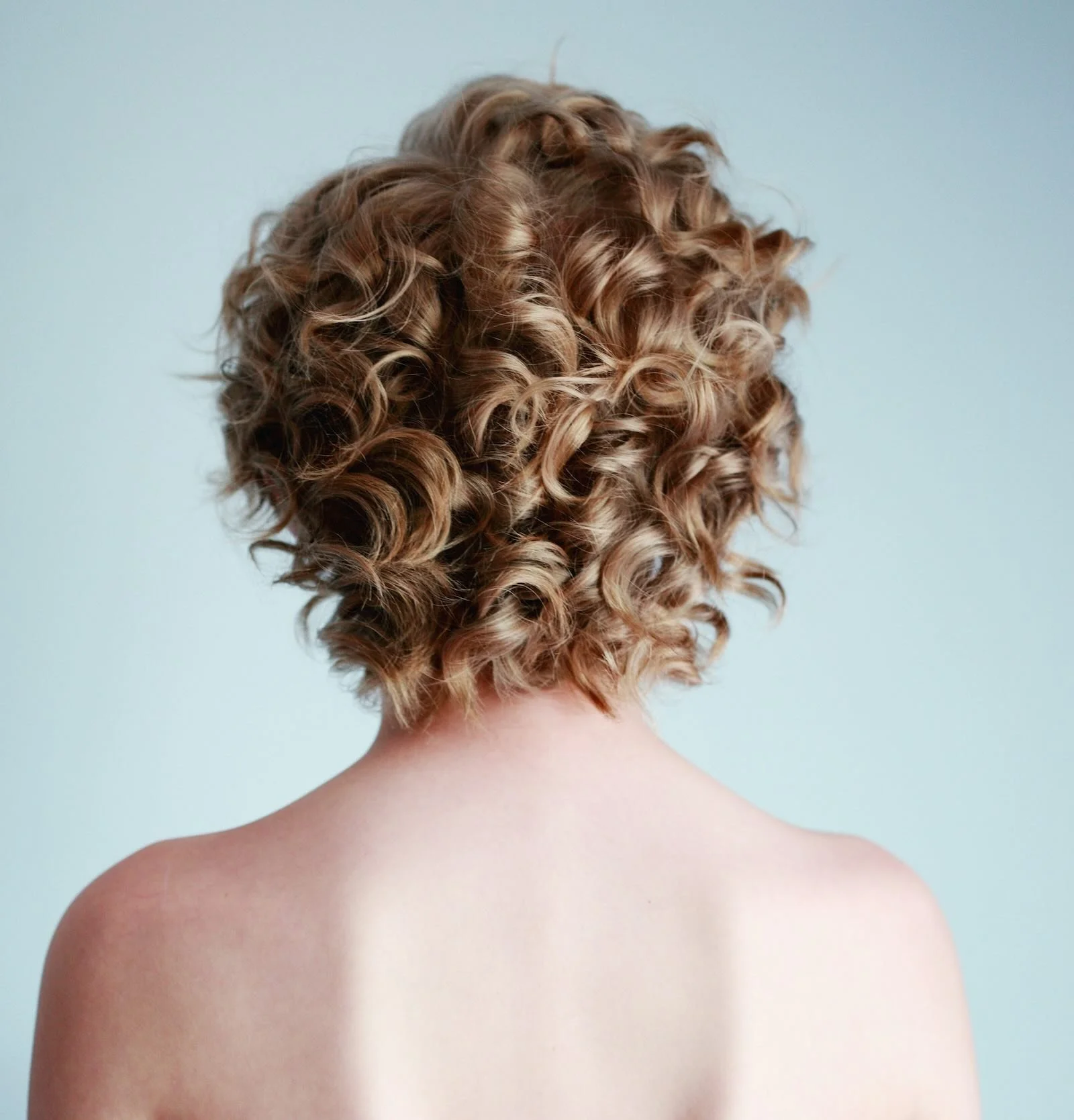
Low-maintenance color is not less—it’s better designed.
What Actually Breaks Low-Maintenance Color
Hair color doesn’t suddenly stop working.
It drifts.
Tone shifts. Contrast flattens. Brightness fades unevenly.
The issue isn’t time.
It’s structure.
When color is applied without considering growth patterns, density, and movement, it quickly loses coherence.
What looks effortless at the start becomes undefined over time.
Low-Maintenance Is a Placement Strategy
The difference between high-maintenance and low-maintenance color isn’t how often you come in.
It’s how the color is built.
Placement determines:
How highlights expand as the hair grows
How depth supports dimension over time
How transitions soften instead of separating
This is why balayage, when done correctly, reads as low-maintenance.
Not because it requires nothing, but because it evolves without breaking.
Tone Is Where Most Low-Maintenance Color Fails
Placement can hold.
Tone often doesn’t.
Warmth returns. Gloss fades. Ends lose clarity.
This is where most people assume the color has “stopped working.”
In reality, the structure is still intact.
Only the surface has shifted.
This is where controlled maintenance—not correction—keeps the color aligned.
Read
How to Make Hair Color Last Longer Without Overprocessing
Maintenance Doesn’t Mean Starting Over
Low-maintenance doesn’t eliminate upkeep.
It refines it.
Instead of full appointments, maintenance becomes:
targeted glossing
selective refreshing
minor adjustments to tone or brightness
The structure stays.
Only the surface is adjusted. This is where time, effort, and cost begin to compress—without sacrificing the result.
Read
How Often Does Low-Maintenance Hair Color Really Need Touch-Ups?
The Role of Hair Health in Longevity
Low-maintenance color depends on the hair's condition.
If the cuticle is compromised, color won’t hold evenly.
If the surface is rough, tone won’t reflect cleanly.
This is where treatments become part of the strategy—not an add-on.
Smoothing the cuticle stabilizes how color behaves.
What Actually Holds Up Over Time
Low-maintenance color works when:
Placement follows natural movement
Tone is supported, not forced
Maintenance is minimal but intentional
The result isn’t static.
It evolves—but it stays coherent.
That’s the difference.
Not less effort.
Better design.
Effortless Color For The Real You.
albertcolor.com