How to Make Hair Color Last Longer Without Overprocessing
Hair color does not fade randomly. It follows a logic — one that has everything to do with how the color was built, what the hair fiber was doing when it received it, and what happens to the hair in the weeks that follow. Most clients who come in reporting that their color "didn't last" are not wrong about what they observed. They are usually wrong about why it happened. The answer rarely involves the formula.
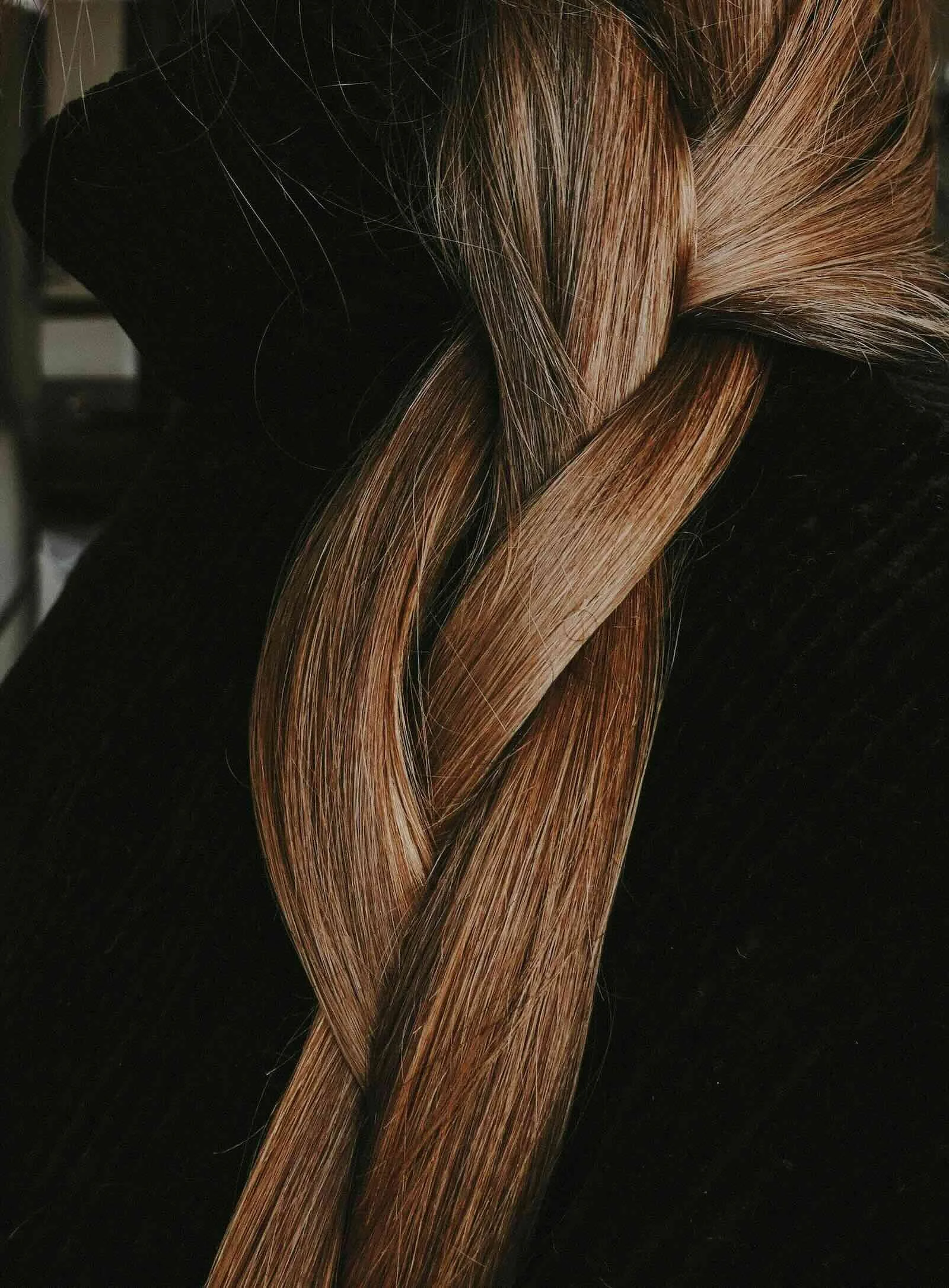
Hair color that lasts maintains tone, reflection, and structure—even as it evolves over time.
The Mechanics of Fade
Color fade is a structural event before it is a visual one. Oxidative hair color — the category that includes permanent color, balayage, and most professional toning — works by depositing pigment molecules inside the cortex of the hair shaft. The integrity of the cuticle layer determines how well those molecules are retained. When the cuticle is tight, smooth, and properly sealed, the cortex holds its pigment with reasonable stability. When the cuticle is compromised — raised, porous, or unevenly damaged from prior processing, heat, or aggressive washing — pigment molecules exit the shaft more readily, and color shifts faster than it should.
This is why two clients receiving the same formula in the same appointment can report very different results four weeks later. The formula was identical. The fiber was not. One client had well-conditioned, low-porosity hair that held the pigment at the expected rate. The other had high-porosity hair — from overprocessing, from chronic heat damage, or from a combination of both — and the color faded or shifted within weeks. Longevity is a hair health problem as much as it is a color problem.
What Actually Accelerates the Loss
Several patterns consistently shorten the life of professional color, and most of them occur between appointments rather than during them. Frequent washing with harsh cleansers is the single most controllable variable. Shampoo surfactants that strip aggressively to achieve a squeaky-clean result are doing exactly what they advertise — they are removing everything, including tonal molecules that should be staying inside the hair shaft. Heat without protection compounds the problem. Flat iron and blow-dryer temperatures that exceed what the fiber can tolerate raise the cuticle, accelerate moisture loss, and create the kind of surface instability that lets pigment escape more quickly. Over-washing and heat damage together make up the most common double variable behind premature fade, and both are entirely within the client's control.
Re-lightening too frequently is the third factor. Every lightening service removes some degree of protein from the cortex and further compromises the cuticle's ability to hold pigment. Clients who re-lighten before the fiber has stabilized from the previous service are shortening the life of each result, compounding cumulative damage. The intervals between services are not arbitrary scheduling preferences. They are the minimum time the hair needs to restabilize before it can perform optimally again.
The Role of Color Design in Longevity
Color that is well-designed for the individual client's hair type, natural base, and lifestyle lasts longer than technically precise color applied to the wrong foundation. This distinction matters more than most clients realize. A formula that works beautifully on one person's medium-density, virgin brunette hair may fade unevenly or shift in tone on another client's fine, repeatedly highlighted hair — not because the colorist made an error, but because the formula was not calibrated to the specific behavior of that fiber.
Balayage, in this context, is one of the more longevity-friendly techniques precisely because of where it places color. By concentrating lightness mid-shaft through ends and leaving the root area undisturbed, it creates a result that grows out gradually rather than developing a hard line of demarcation. There is no single point at which the color "stops looking right." It transitions. That transition buys time — often eight to twelve weeks before the client feels any urgency to return.
Read: Balayage vs Highlights: Which Is Better for Low-Maintenance Color?
Glossing between balayage services is one of the most effective longevity tools available, and one of the most underused. A clear or tinted gloss deposits a smooth coat of tone over the hair shaft, seals the cuticle, and restores the reflective quality that makes color look fresh. It does not add lightness. It does not require significant processing time. And it costs a fraction of a full-color appointment while extending the color's useful life by 4 to 6 weeks. For clients on a genuinely low-maintenance schedule, a mid-cycle gloss visit is often what makes the annual math work.
At-Home Protocol as Color Infrastructure
The conversation about color longevity cannot end in the salon. What happens at home — specifically what the client uses to wash, condition, and protect the hair — is as consequential as the service itself. This is not a minor variable. It is approximately half the outcome.
The Support layer for color longevity at AlbertColor begins with the cleanser. Davines SOLU Shampoo provides a gentle but thorough cleanse that removes buildup without stripping the cuticle or accelerating tonal loss — the right foundation for clients who wash frequently. For blonde and lightened hair where tonal precision matters most, R+Co Sunset Blvd Blonde Shampoo maintains cool-to-neutral tones between appointments without the overcorrection that a heavy purple shampoo can produce when overused. And Virtue Restorative Treatment Mask, applied weekly, works at the structural level — the alpha-keratin protein in the formula repairs the cortex from the inside out, improving the hair's ability to hold tone by restoring the internal scaffolding compromised by porosity damage.
These are not optional additions to a color service. They are the at-home extension of the work done in the chair. A color designed to last twelve weeks will not last twelve weeks on a client who uses a grocery-store clarifying shampoo daily and skips conditioner.
Longevity as a Design Conversation, Not a Product Promise
The most important shift in how clients think about color longevity is moving from the question "what product will make this last longer?" to the question "what decisions — in the salon and at home — will allow this color to behave the way it was designed to?" The answer involves formula calibration, fiber condition, wash frequency, heat habits, and the specific products used between visits. It is a system, not a solution.
When that system is in place, color does not need to be refreshed every five weeks to look intentional. It does not need to be corrected, re-toned, or rebuilt prematurely. It evolves. Depth softens slightly, tone shifts minimally, and the result continues to look designed rather than faded — which is what low-maintenance color actually means when it is working correctly.
Low-Maintenance Hair Color in NYC: What Actually Works for Busy Lives
Color that lasts is not a function of luck or particularly resilient hair. It is a function of decisions made from the consultation forward. The clients who get the most out of every appointment are invariably the ones who understand that the appointment is the beginning of the result, not the whole of it.
Why Longevity Is Designed, Not Preserved
Most clients approach longevity as something to protect after the appointment. In reality, it is either built into the service or not. The way the hair is prepared, the way lightener is applied, the way tone is selected relative to porosity and base color — these decisions determine how long the result will hold before the client ever leaves the chair.
What happens at home matters, but it cannot compensate for a design that was never calibrated for the hair’s actual behavior. When longevity is approached as a design problem rather than a maintenance problem, the entire outcome shifts. Color holds longer, fades more evenly, and requires fewer corrections over time.
This is what separates color that looks good for two weeks from color that continues to look intentional months later.
Photo by Liubov Ilchuk on Unsplash
Effortless Color For The Real You.