The technique returns; the 2000s look does not.
The word going around is that foils are back. What most people mean is that they have seen brightness return to hair that spent a decade being painted on. Those are two different statements, and the difference is the whole story of this season.
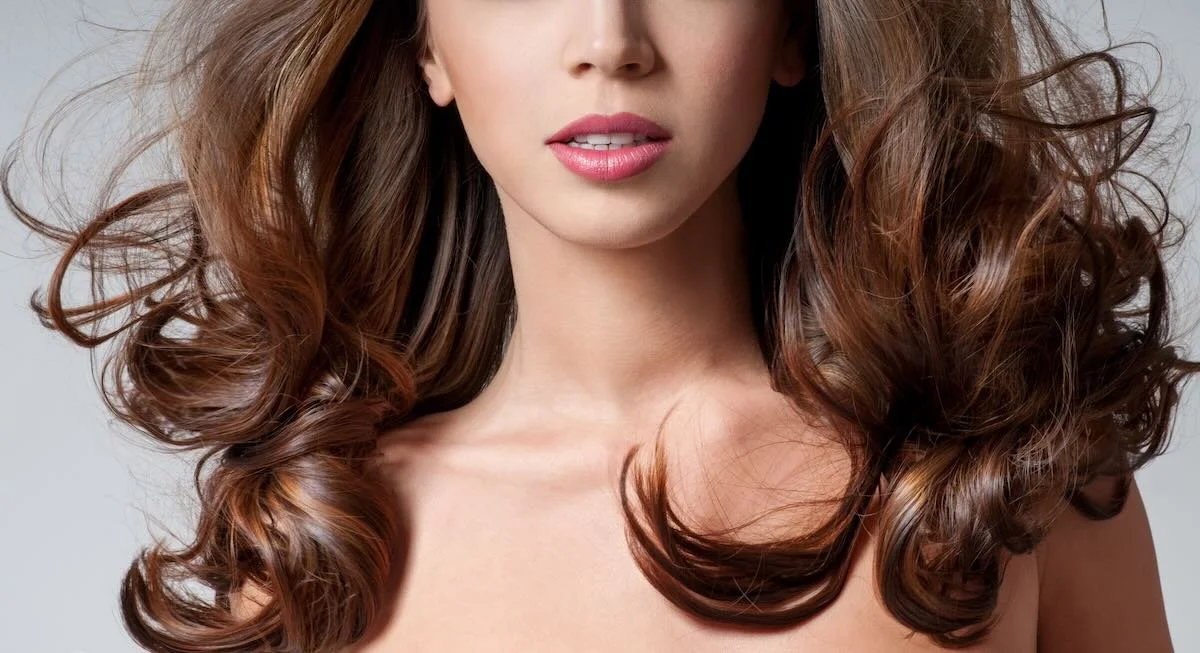
Fine placement, warm register — brightness that moves with the curl instead of sitting in bands.
What actually came back
Foil is not a look. It is a tool for control. It isolates a section, holds it away from everything around it, and lets a colorist decide precisely how far that section travels and no farther.
For most of the last ten years, the default answer to almost every request was freehand painting. It suited the moment — soft, sun-shaped, forgiving at the root. It also quietly narrowed what was on offer, because a brush moving across the surface can only put brightness where the hand sweeps.
What has returned is not a look from 2004. It is the idea that placement is a decision.
Why the stripe is not coming with it
The stripe happened because the goal was contrast. Lift as far as the hair would go, keep the sections wide, and let the difference between light and dark do the work. It read as brightness from across a room, and it read as stripes from two feet away.
The current versions of sectioned highlighting are built on the opposite objective. The professional description of these techniques is explicit: the aim is a blend that reads as unbroken and a grow-out softer than traditional highlighting produces. Sections are very fine. Lift is deliberately restrained. The tone stays close to what is already there.
Same tool. Opposite instruction.
What French highlights actually describes
French highlights are a generic term for that approach rather than a single proprietary method, and it is worth saying plainly because the name suggests more mystique than the technique requires.
It describes very fine sectioning, controlled lift, and tone held near the natural base—often with micro-fine strands lifted through the interior so the brightness reads as something the hair did rather than something added. At least one major professional house now markets a version that lightens without bleach, which lowers the ceiling on how far a section can travel and, not coincidentally, makes the restraint easier to hold.
Success isn't measured by how bright the hair looks on the day. It is what the line looks like at week ten. If you have ever wondered why two people with the same shade grow out so differently, that is the variable, and it is worth understanding the difference between painting and sectioning before choosing either.
Warmth is the season's real headline.
Every fall for years has meant the same instruction: go cooler, go deeper. This one does not.
The direction is warm, carrying summer's warmth forward rather than swapping it for something autumnal. The shades getting named across the beauty press this season sit in that register:
A deep brunette that reads as depth rather than darkness, glossy enough to move light instead of absorbing it.
A warm red in the baking-spice range rather than the pillar-box one, and gentler against the skin than a true copper.
And one holdout going the other way — a muted, cool-leaning beige, understated to the point of quiet. It was on my own list a year ago, which is a useful reminder that the press names a shade some time after colorists start mixing it.
And amber runs underneath all of it, which is the connective note this fall and the reason these shades sit together instead of competing.
Allure's read on the season lands in the same place, calling the fall direction richer rather than darker, and naming amber outright.
The other French term, which is not this one
A second French term is in circulation, and it belongs to a different job entirely.
French highlights are a lightening technique. What gets called French blending is a gray strategy — a way of carrying natural gray through a colored base so the two stop arguing. They share an adjective and nothing else, and confusing them is how someone ends up asking for lift when what they wanted was a truce. The distinction between the gray techniques is worth its own reading.
Sectioning does happen to suit gray unusually well, for a mechanical reason rather than a fashionable one: gray is unpigmented, so it takes brightness differently from the hair beside it, and fine sections let brightness be placed where the gray already sits instead of across it.
What to ask for
Ask for fine sections and restrained lift. Ask for tone kept near the base rather than lifted away from it.
Then ask the question that actually settles it: what does this look like at ten weeks? A technique that cannot answer that is a technique optimized for the day it was done.
Foil is only a piece of metal. It has no opinion about what the result should look like. For a decade, it carried the blame for a style decision that was never its fault, and it is back now because the instruction it is given has changed — which is the part worth paying attention to, and the part that will still be true when the shade names have all moved on.
Effortless Color For The Real You.