Have Fun With Your Hair
A haircare routine that feels like a job. Touch-ups that feel overdue before they arrive. Color that demands attention at week five. A routine that takes longer than it should and still doesn't feel right.
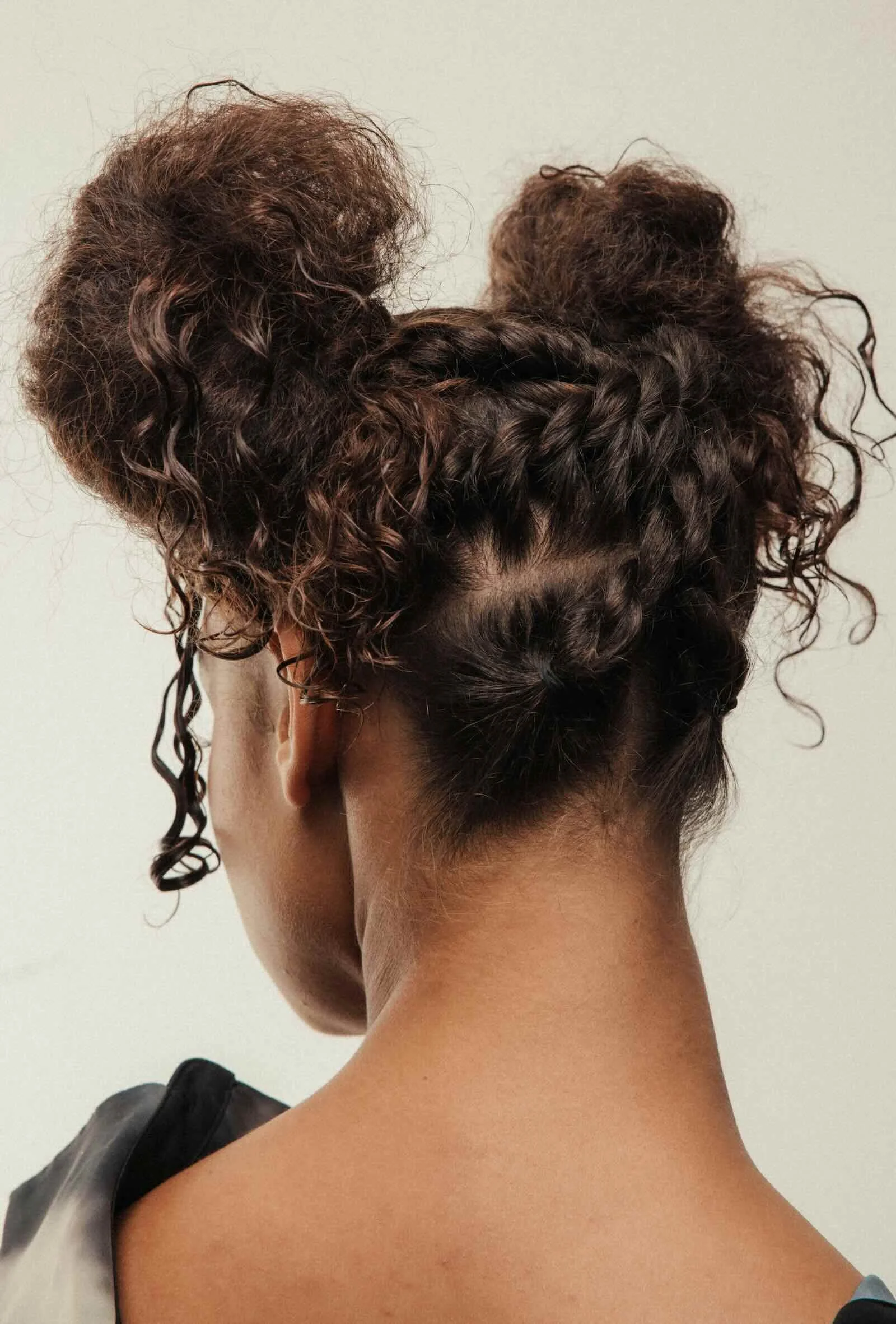
Color that works with your hair. Not against it.
Why Does Curly Hair Feel So Difficult to Manage?
Curly hair feels difficult when the strategy behind it was built for straight hair. Most people who describe their hair as difficult are not describing their hair. They are describing a strategy that was never built for the hair they actually have.
Curl patterns are managed with products designed for straight hair. Color that fights the natural texture rather than working with it. A maintenance cycle calibrated for someone else's density, growth rate, and lifestyle. The hair is not the problem. The approach is.
This is where low-maintenance color becomes something more than a scheduling preference. When color is designed around the hair's actual behavior — how it grows, how it moves, how it responds to the environment — the relationship to it changes. It stops being something to manage and starts being something to enjoy.
That shift is available to more people than they realize. Not because their hair changed. Because the strategy did.
What Does Low-Maintenance Color Mean for Curly Hair?
For curly and textured hair, low-maintenance color means less color, placed where the curl opens, so the curl does the design work. Low-maintenance color on textured, curly, or coily hair is not the same conversation as low-maintenance on straight hair. The considerations are different. The technique is different. The outcome looks different.
Curl patterns create natural depth and dimension. The way light moves through a curl — catching the lighter strands, disappearing into the darker ones, revealing movement with every shift of the head — creates visual complexity that straight hair has to work harder to achieve. This is an asset, not a limitation. Color designed for curly hair works with that movement, not against it.
The practical implication is that curly and textured hair often needs less color intervention than most people assume. Subtle balayage is placed at the points where the curl opens — the mid-shaft, the ends, the pieces that fall away from the main body — creating dimension that reads as natural brightness rather than applied color. The curl does the design work. The color supports it.
In practice, that means longer stretches between color, less product buildup on already reactive hair, and a result that looks better as it grows out rather than worse. Not because low-maintenance is a compromise. Because it was designed correctly — color judged over years rather than weeks, the view taken in The Moment You Stop Chasing a Different Version of Yourself.
Is It Okay to Just Have Fun With Your Hair?
Yes — and it does not get said often enough: you are allowed to have fun with your hair.
Not in the sense of dramatic reinvention — though that is available too, for those who want it, and She Already Knew is the case in point. In the sense of ease. Of wearing your hair in a way that feels like an expression rather than a project. Of color that comes without a list of what not to do — color that works in humidity, in an updo, air-dried on a Tuesday, blown out for something important.
Low-maintenance color, done well, is not about doing the minimum. It is about designing the maximum amount of ease into a result from the beginning. That requires more thought at the outset, not less. More precision in placement. More honesty about lifestyle. More willingness to build color around the person rather than the reference image — the approach laid out in Low-Maintenance Hair Color in NYC: What Actually Works for Busy Lives.
The result is hair that participates in life rather than competing with it. Hair that is genuinely fun to have — not because it is always perfect, but because it is always workable. Always yours.
Effortless Color For The Real You.