The Fine Hair Dilemma: Can Keratin Provide Control Without Losing Volume?
Fine-haired clients are usually the most hesitant about keratin treatments. The fear is understandable: "If my hair is already fine, won't smoothing it make it flat?" Sometimes. But not for the reasons most people think. What determines whether keratin enhances fine hair or overwhelms it comes down to technique, restraint, and realistic expectations — not hair thickness.
This is where keratin either supports or disrupts a low-maintenance strategy—depending on how it’s applied.
Read Low-Maintenance Hair Color in NYC: What Actually Works for Busy Lives
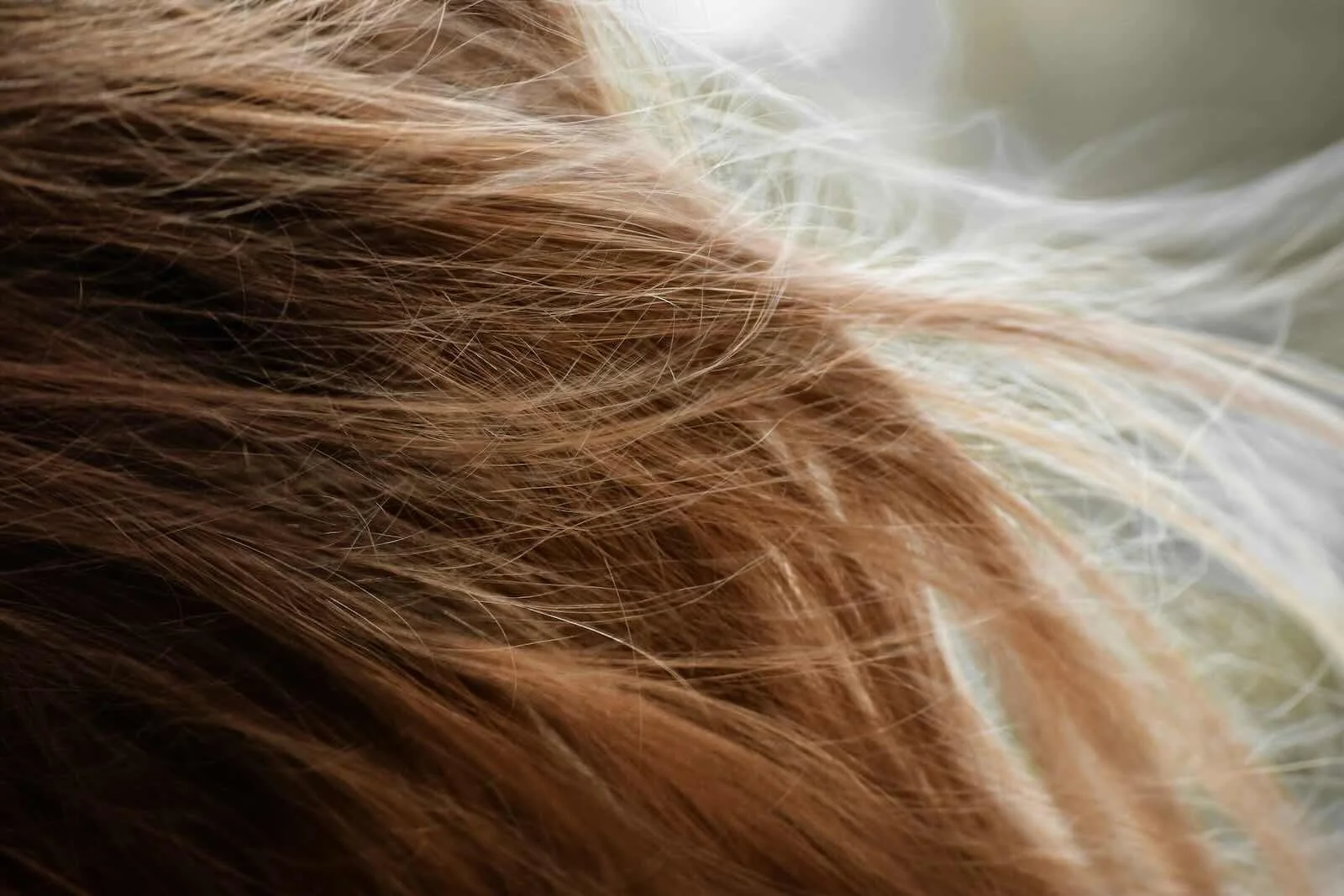
Keratin smoothing designed for fine hair—refining texture without sacrificing movement or lightness.
What Fine Hair Actually Is
Fine hair is often described as fragile, but that's not quite accurate. Fine hair isn't weak — it lacks density. The individual strands are thinner in diameter than average, which means there are fewer cuticle layers surrounding the cortex. That structure makes fine hair more sensitive to product weight, more reactive to humidity, and more prone to showing the effects of over-processing or over-application than coarser hair types.
It also means that fine hair can look dramatically different depending on how much product is sitting on it. Heavy conditioners, thick serums, and dense oils — all appropriate for coarser or drier textures — can make fine hair look weighed down and flat within hours. The same sensitivity applies to keratin. When applied too heavily, the smoothing compound coats the hair shaft in a layer that adds physical weight, compresses the natural lift at the root, and produces exactly the flat, limp result that fine-haired clients were afraid of in the first place.
The problem in those cases is never the treatment itself. It's the application.
Volume and Texture Are Not the Same Thing
This is the distinction that most people miss, and it's the one that matters most for fine-haired keratin clients. Volume and texture are two different properties of hair, and keratin affects only one of them.
Texture refers to the surface behavior of the hair shaft — frizz, expansion in humidity, inconsistent smoothness, and the way the hair resists lying flat or curls up at the ends. Keratin directly addresses texture. It reduces the hair's porosity, smooths the cuticle, and limits the expansion that causes frizz. A fine-haired client whose hair is frizzy, puffy in humidity, or difficult to smooth after washing can benefit significantly from a well-applied keratin treatment — because what she's losing is texture, not volume.
Volume, on the other hand, is determined by lift at the root and by the overall density and distribution of the hair. A well-applied keratin treatment doesn't eliminate root lift. It doesn't collapse the shape that a good haircut creates. It doesn't flatten hair that was holding its own before the treatment. If the volume in fine hair is being created by frizz and expansion — by the hair puffing outward in ways that read as body but aren't actually structured lift — then yes, keratin will reduce that. But that's not a loss of volume. It's an exchange of unpredictable expansion for controlled, predictable movement.
The question fine-haired clients should ask isn't "will keratin make my hair flat?" It's: "Where is my volume actually coming from?" If it comes from frizz, keratin will change it. If it comes from the cut, keratin won't touch it.
When Keratin Works Well on Fine Hair
There are fine-haired clients for whom keratin is genuinely transformative. The client whose fine hair is frizzy in New York's humidity from April through October — whose blowout holds for one day in July before the hairline swells and the surface texture returns — benefits significantly from a treatment that reduces that expansion without adding weight. The client whose fine hair takes 45 minutes to blowout because the texture fights every pass of the brush can often cut that time in half with a properly applied smoothing treatment.
The key in all of these cases is a light hand in application. Fine hair requires less product, fewer passes of the flat iron during processing, and a formula calibrated for fine to medium textures rather than the full-strength formulas designed for coarse or highly textured hair. The goal is polishing, not coating—refinement, not transformation.
When Keratin Doesn't Add Value
Fine hair that is already straight, low in texture, and prone to lying flat without encouragement is not a good candidate for keratin. There's nothing for the treatment to address. The result would add weight to hair that doesn't need it and produce the flatness that clients were worried about — not because keratin did something wrong, but because the application was unnecessary.
Similarly, fine hair in the middle of aggressive lightening — multiple bleach sessions, high-lift color, or any process that has compromised the shaft's structural integrity — is not ready for a smoothing treatment. Keratin applied to already compromised fine hair adds a chemical load to strands that need recovery, not processing. The sequencing and timing conversation is essential and should take place during the consultation before any appointment is booked.
For the full breakdown of how keratin interacts with color services and what sequencing decisions matter most:
Read Keratin Treatments and Hair Color Longevity: What Actually Lasts Longer (and Why)
What the Consultation Should Cover
The conversation about keratin and fine hair isn't a yes-or-no question. It's a series of more specific questions: What is the hair doing that you want it to stop doing? Where is the texture coming from — the natural pattern, humidity response, or damage? What does a successful result look like to you in daily life? How do you style your hair, and what are you spending the most time fighting?
Those answers determine whether keratin is the right tool, what formula is appropriate, how it should be applied, and how it should be maintained afterward. A fine-haired client who comes in with the right expectations — reduced frizz, faster styling, more predictable behavior in humidity — and receives a properly applied treatment calibrated for her texture will almost always be satisfied. One who comes in expecting significant volume gain, or whose hair isn't producing any texture to address, will not see it.
For a broader overview of how modern smoothing treatments are designed and who they’re built for: Read Keratin Smoothing Treatments in NYC: A Modern, Wearable Approach.
What Supports Fine Hair After Keratin
Fine hair post-keratin needs lightweight, sulfate-free care. Heavy conditioners and thick masks — appropriate for coarser textures — are counterproductive on fine hair that has just been smoothed. A lightweight sulfate-free shampoo, such as Davines NOUNOU Shampoo or Oribe Gold Lust Repair & Restore Shampoo, cleanses without stripping the treatment or adding weight that fine hair doesn't need. Conditioning should be applied from mid-shaft to ends only — applying conditioner at the root of fine hair, treated or not, accelerates flatness.
A finishing oil or lightweight serum — Davines OI Oil used sparingly on the ends, or Oribe Supershine Moisturizing Cream in a small amount through the mid-shaft — adds the surface refinement that makes keratin-treated fine hair look polished without the heaviness that would undo the treatment's benefit.
Keratin is not a volume remover. For fine hair, the difference between flat and polished comes down entirely to how the treatment is applied and how the hair is cared for afterward. When used thoughtfully, it shortens styling time, softens humidity response, and enhances shine without compromising identity. Like good color, it should feel like you — just calmer.
Photo by Taylor Smith on Unsplash
Effortless Color For The Real You.
albertcolor.com