The Aftercare Edit: How to Double the Life of Your Smoothing Treatment
Keratin treatments don't disappear suddenly. They fade quietly. One week, your hair feels smooth and effortless. A few weeks later, you notice more texture at the hairline, a little more frizz on humid mornings, and a blowout that takes slightly longer than it used to. That's normal. The real difference between a keratin treatment that lasts three months and one that fades in six weeks usually comes down to maintenance — not the formula.
This is where keratin becomes part of a low-maintenance strategy rather than a standalone treatment. Read
Low-Maintenance Hair Color in NYC: What Actually Works for Busy Lives
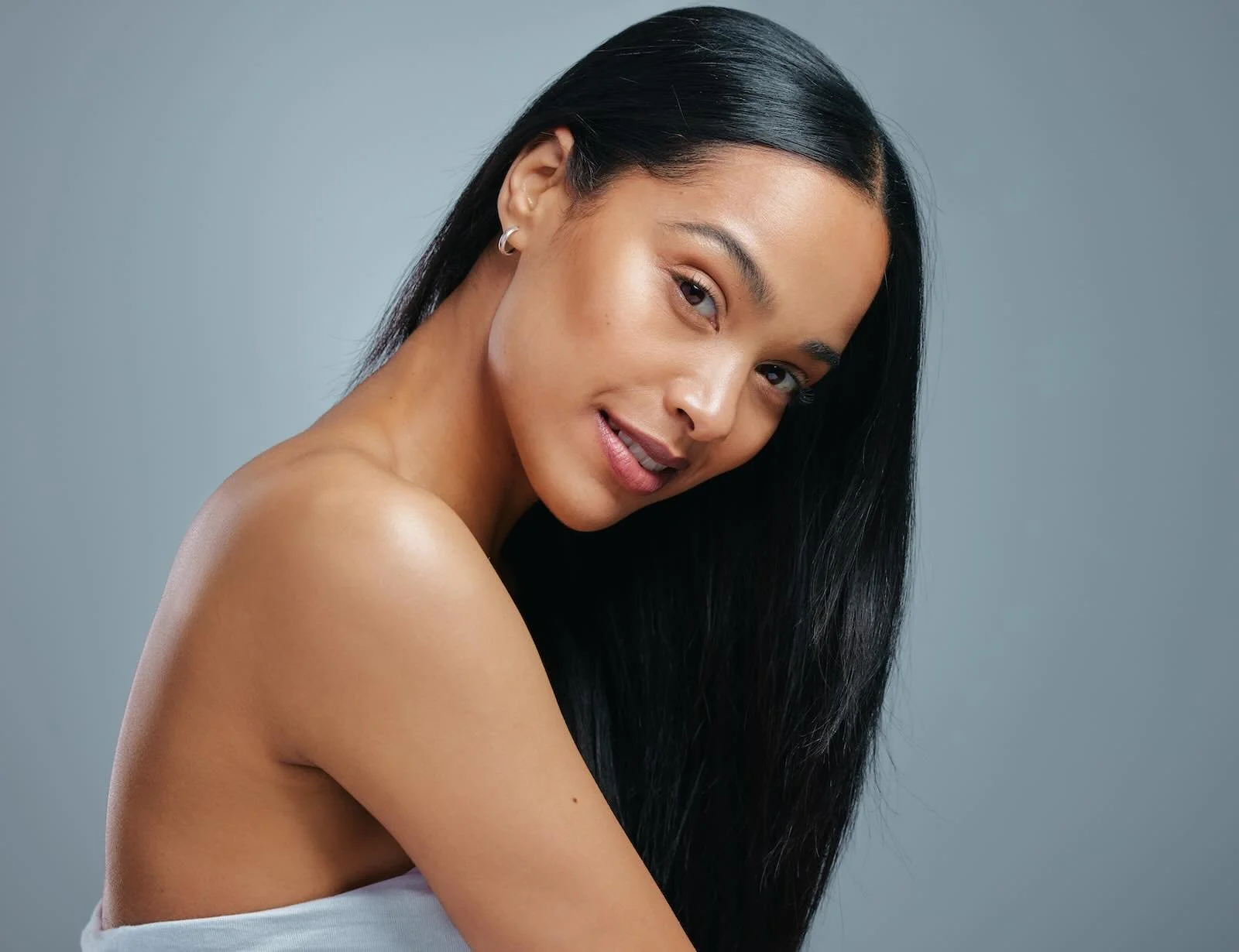
A properly maintained keratin treatment softens texture, shortens styling time, and keeps hair controlled without feeling stiff.
What Keratin Actually Is (And Why It Fades)
A keratin smoothing treatment works by coating the hair's cuticle with a protein-based compound that reduces the hair fiber's porosity and limits its expansion in humidity. The smoothing effect is real and measurable — but it isn't a structural change to the hair itself. It's a surface treatment, which means it's subject to the same forces that affect everything on the hair's surface: washing, heat, friction, and time.
Understanding this is the first step to maintaining the treatment correctly. Keratin doesn't fail — it dissolves. And the rate at which it dissolves is almost entirely determined by how the hair is cared for after the appointment. Two clients can receive the same treatment from the same colorist on the same day and have completely different experiences at the eight-week mark, based solely on how they've been washing and styling their hair.
For a full breakdown of how keratin and color interact and what determines longevity for both: Read Keratin Treatments and Hair Color Longevity: What Actually Lasts Longer (and Why)
Washing Frequency Matters More Than Product
The single most impactful variable in keratin longevity isn't what you wash with — it's how often you wash. Every shampoo cycle exposes the smoothing layer to water, surfactants, and friction, all of which gradually break down the treatment. Clients who shampoo daily can expect their treatment to fade significantly faster than clients who wash two or three times per week, regardless of which shampoo they use.
For most keratin clients, two to three washes per week is the practical ideal. Dry shampoo applied at the root on non-wash days extends the interval without sacrificing cleanliness. Rinse-only showers — rinsing with water but skipping shampoo — can refresh the hair without the surfactant exposure that accelerates fade. These adjustments aren't about hygiene. They're about reducing unnecessary chemical exposure to a surface treatment that does its job best when left alone.
Sulfate-Free Is Non-Negotiable
If there's one product decision that directly affects how long a keratin treatment lasts, it's the shampoo. Sulfate-based shampoos — which include sodium lauryl sulfate and sodium laureth sulfate, found in the majority of mainstream shampoos — strip the smoothing layer faster than anything else in a standard haircare routine. Switching to a sulfate-free formula is not optional for clients who want to protect their investment.
This doesn't require an expensive product. It requires reading the ingredient label. The formula should be sulfate-free, gentle in lather, and lightweight enough to cleanse without residue. Avoid shampoos with sodium chloride (salt) as well — it appears in many formulas under names that aren't immediately obvious and is equally disruptive to keratin treatments as sulfates.
Heavy conditioning masks used at every wash cycle can also work against the treatment by adding weight that compresses the movement the keratin was designed to support. Occasional deep conditioning is fine — weekly masks are not necessary and can dull the result.
Heat, Humidity, and the Gym
One persistent misconception about keratin treatments is that humidity undoes them. It doesn't. A properly applied treatment softens frizz in humidity — it doesn't eliminate the hair's identity, and it doesn't dissolve when the weather is warm. Humidity tests how well the treatment was applied. Hair that consistently responds to humidity throughout the treatment's lifespan received good results. Hair that loses its smoothness dramatically in the first humid week did not.
Sweat is a different variable. Clients who work out frequently should avoid letting sweat repeatedly dry in the root — the salt content of sweat has a mild stripping effect on the treatment over time. Tying the hair loosely during workouts, rinsing the hairline after heavy activity, and blow-drying the root area afterward, if needed, are practical habits that protect longevity without requiring any change to the workout itself.
Heat styling is similarly nuanced. Keratin is applied with heat, which sometimes creates the impression that more heat is better for the treatment. It isn't. Daily high-heat flat ironing accelerates dullness and dries the hair shaft, compressing the movement that good keratin should preserve. Blow-drying is fine. Occasional flat ironing is fine. Daily thermal passes at maximum heat are not.
Timing It With Color
For clients who both color and smooth their hair, sequencing matters significantly. In most cases, color should be applied first, followed by keratin — the treatment seals the cuticle, enhancing shine and helping lock in tone. When keratin is applied before color, the sealed cuticle can affect how the color deposits, sometimes altering tonal nuance in ways that are difficult to predict.
The interval between the two services also matters. Applying keratin immediately after a lightening service, before the hair has stabilized, is not advisable. The timing conversation belongs in the consultation—and it varies depending on the specific color service involved.
For a full breakdown of how keratin and color interact, and what actually determines longevity for both, read:
Keratin Treatments and Hair Color Longevity: What Actually Lasts Longer (and Why)
When to Refresh
Most clients refresh their keratin treatment every three to four months. The book signal isn't when the treatment is completely gone — it's when you first notice the early signs of return: the blowout taking slightly longer, frizz reappearing at the crown, humidity feeling louder than it did a month ago. Refreshing at that point means working with hair that still has some smoothing, which makes the new application more effective and the result more consistent.
Waiting until the treatment has fully faded means reworking more texture than necessary and often requires more time and product to achieve the same result. The sweet spot is always just ahead of the point where the hair starts to feel difficult again — not after.
What Supports the Treatment at Home
The home care system for a keratin treatment is straightforward: sulfate-free shampoo, infrequent washing, lightweight conditioning, and UV protection for clients who spend significant time outdoors. Oribe Gold Lust Repair & Restore Shampoo is formulated without sulfates and supports both keratin longevity and color integrity simultaneously.
A lightweight smoothing serum or finishing oil — Oribe Supershine Moisturizing Cream or Davines OI Oil — applied after styling maintains surface refinement between washes and reduces the thermal stress of daily blow-drying. Neither adds weight that would compromise the movement the keratin was designed to preserve.
Keratin isn't about transformation. Maintained properly, it becomes part of the rhythm — not a dramatic event, not a constant concern. Like good color, it should feel effortless.
Effortless Color For The Real You.
albertcolor.com