Good Hair Is a Relationship (Not a Makeover)
There's a moment most people recognize. It's when the initial excitement of new hair fades — not because the color isn't beautiful, but because life has quietly resumed. Work. Weather. Routines. That moment is where expectations split. Some feel disappointed, wondering why the feeling didn't last. Others feel relieved, noticing their hair has settled into something familiar, easy, and quietly supportive. The difference isn't the color. It's the relationship. ♥️
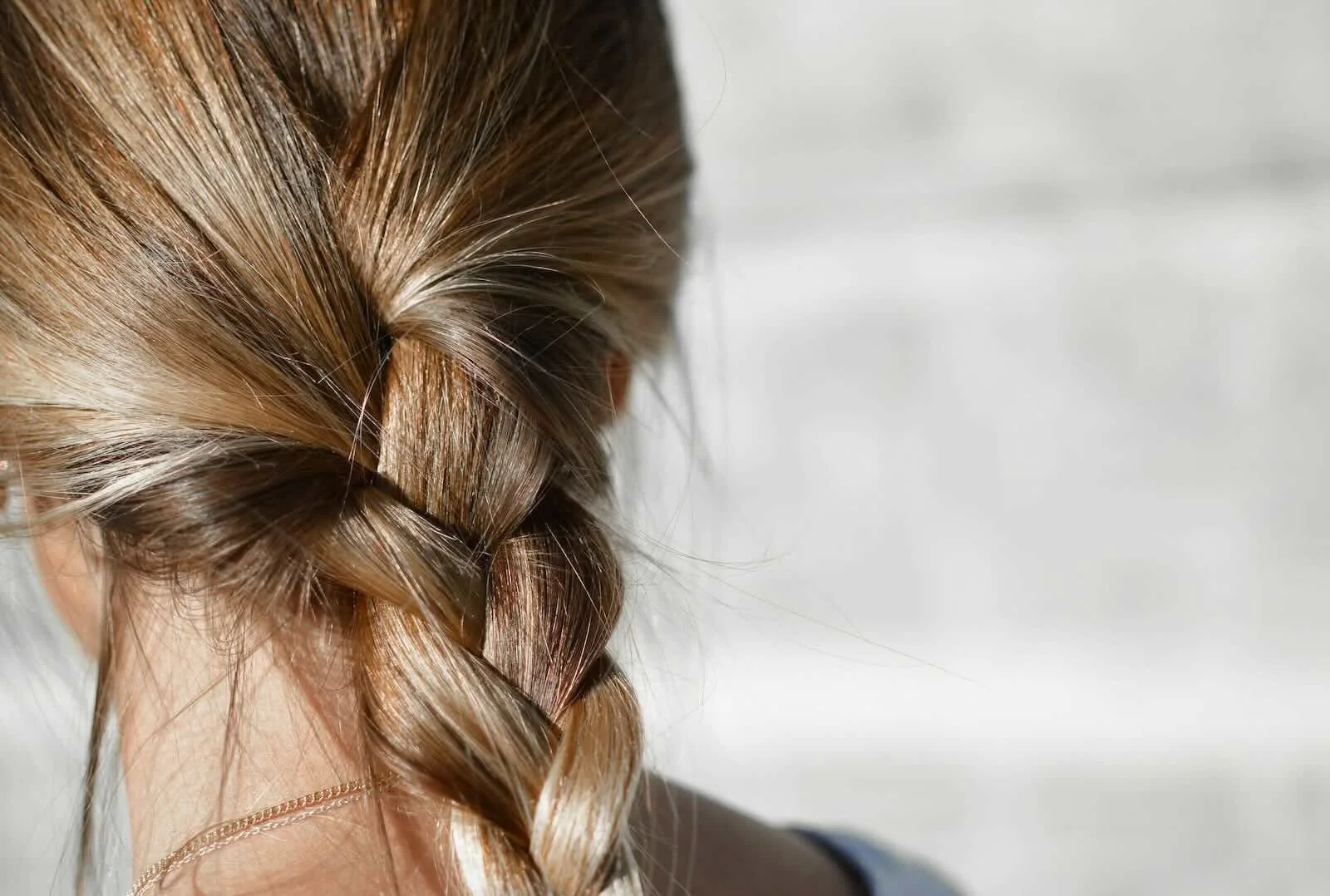
Good hair doesn’t demand attention—it settles in, supports you, and becomes part of everyday life.
What a Makeover Actually Delivers
A makeover is built for immediacy. It delivers change, reaction, and impact. The reveal is the point — the moment of transformation, the before-and-after, the reaction of someone who hasn't seen you in a few weeks. There's real value in that experience, and there are clients for whom it's exactly right. The desire for change is legitimate. The desire to feel different is legitimate.
But a makeover is optimized for day one. The dramatic highlight, the sharp new tone, the striking contrast — these are designed to produce a strong immediate impression. They're not always designed to produce a livable result over the next four months. And when the initial excitement fades, and life resumes, what's left has to carry the relationship forward on its own. If it wasn't built for that, it won't.
The clients who feel disappointed after the excitement fades are usually the ones whose color was designed for the reveal rather than the residence. The ones who feel relieved — who notice their hair has become something they don't have to think about — are the ones whose color was built to live in.
What a Relationship Builds
A relationship with your hair develops over time through honest conversations, subtle adjustments, and progressive clarity about what you want to live with versus what you want to look at. Those are different questions. The answer to the first one changes more slowly. The answer to the second changes with every trend, every reference image, every mood. Building color around the first question produces stability. Building it around the second produces a cycle.
Good Hair Doesn’t Demand Attention
It shows up — consistent, reliable, aligned with who you are right now. That kind of ease isn't dramatic. It's deliberate. It's the result of a colorist who is paying attention not just to the result but to the person across multiple appointments, noticing what's working and what's shifting, adjusting without forcing a reset every time something changes.
Consistency Is an Underrated Luxury
There's something quietly luxurious about hair that behaves the way you expect it to. It grows out without surprises. The tone doesn't shift unexpectedly at week six. The style doesn't feel "wrong" when the precision of the salon blowout has long since relaxed. This kind of consistency is often what people mean when they say they want low-maintenance hair color — not just fewer appointments, but fewer mornings of uncertainty in front of the mirror.
That consistency is built, not found. It comes from a color strategy that accounts for how the hair grows, how the tone ages, how the texture changes with the seasons, and how the client's relationship to her appearance evolves. It requires the colorist to think beyond the appointment in front of her and the client to communicate beyond the reference image she brought in.
For the foundation of how low-maintenance color is structured to support long-term consistency: Read Low-Maintenance Hair Color in NYC: What Actually Works
When Hair Stops Being the Center of Attention
The most successful appointments are often the least dramatic. Nothing feels urgent. The conversation shifts from reinvention to refinement. The question becomes "how has this been working for you?" rather than "what do you want to do differently?" That shift is a sign that the relationship has matured — that the color has been calibrated well enough that the work now is about maintenance and evolution rather than correction and restart.
That's when hair becomes personal instead of performative. It stops trying to impress. It starts to belong. And the client stops thinking of her appointments as events — things she builds up to, recovers from, shows people — and starts thinking of them as part of a rhythm that supports her life rather than interrupting it.
Relationships Evolve — Hair Should Too
What felt right five years ago may feel excessive now. What once seemed minimal may start to feel unfinished. Neither is a failure. Both are signals. A good color strategy leaves room for those signals without requiring a full reset every time something shifts. The difference between a hair relationship and a makeover cycle is the difference between refinement and reinvention — one builds on what's working, the other starts over.
A colorist who knows your history — your natural base, your previous color decisions, what worked and what didn't, how your gray is progressing, how your texture changes seasonally — can respond to those signals with small calibrations that keep the direction right without disrupting what's already been built. That accumulation of knowledge is the actual value of a long-term relationship, and it can't be replicated in a single appointment with someone who's starting from scratch.
For a deeper look at how healthy hair structure supports long-term color behavior: Read Healthy Hair Is Built, Not Bought.
What Supports This Kind of Color
Long-term color health requires home care that works with the relationship rather than disrupting it. A sulfate-free shampoo — Oribe Gold Lust Repair & Restore or Davines NOUNOU Shampoo — protects tone and maintains the integrity of the hair shaft between appointments, so each visit builds on a clean foundation rather than correcting damage accumulated since the last one.
A weekly conditioning mask — Oribe Gold Lust Transformative Masque or Davines NOUNOU Hair Mask — helps maintain moisture balance and keeps hair behaving predictably. Predictable hair is easier to work with in the salon and easier to live with between visits. It holds color longer, responds to styling more consistently, and holds its shape across the full interval.
The goal isn't hair that looks perfect every day. It's hair that works every day. That's the relationship. And when it's right, you realize you weren't looking for a makeover. You were looking for something that could stay.
Photo by Tamara Bellis on Unsplash
Effortless Color For The Real You.
albertcolor.com