Why Your Hair Looks Better on Day 10 Than Day 1
The ‘just-done’ look is often a technical peak. The lived-in look is a design peak.
The difference isn’t subtle—it’s structural. Discover the science of the settling period and why a masterpiece of color is built to evolve with your life, rather than expire the moment you leave the chair.
The day you leave the salon isn't always the day your hair looks its best. For many people, that moment comes later — once the hair has moved, settled, and been lived in. Most clients don't expect this. Once they experience it, they stop being surprised.
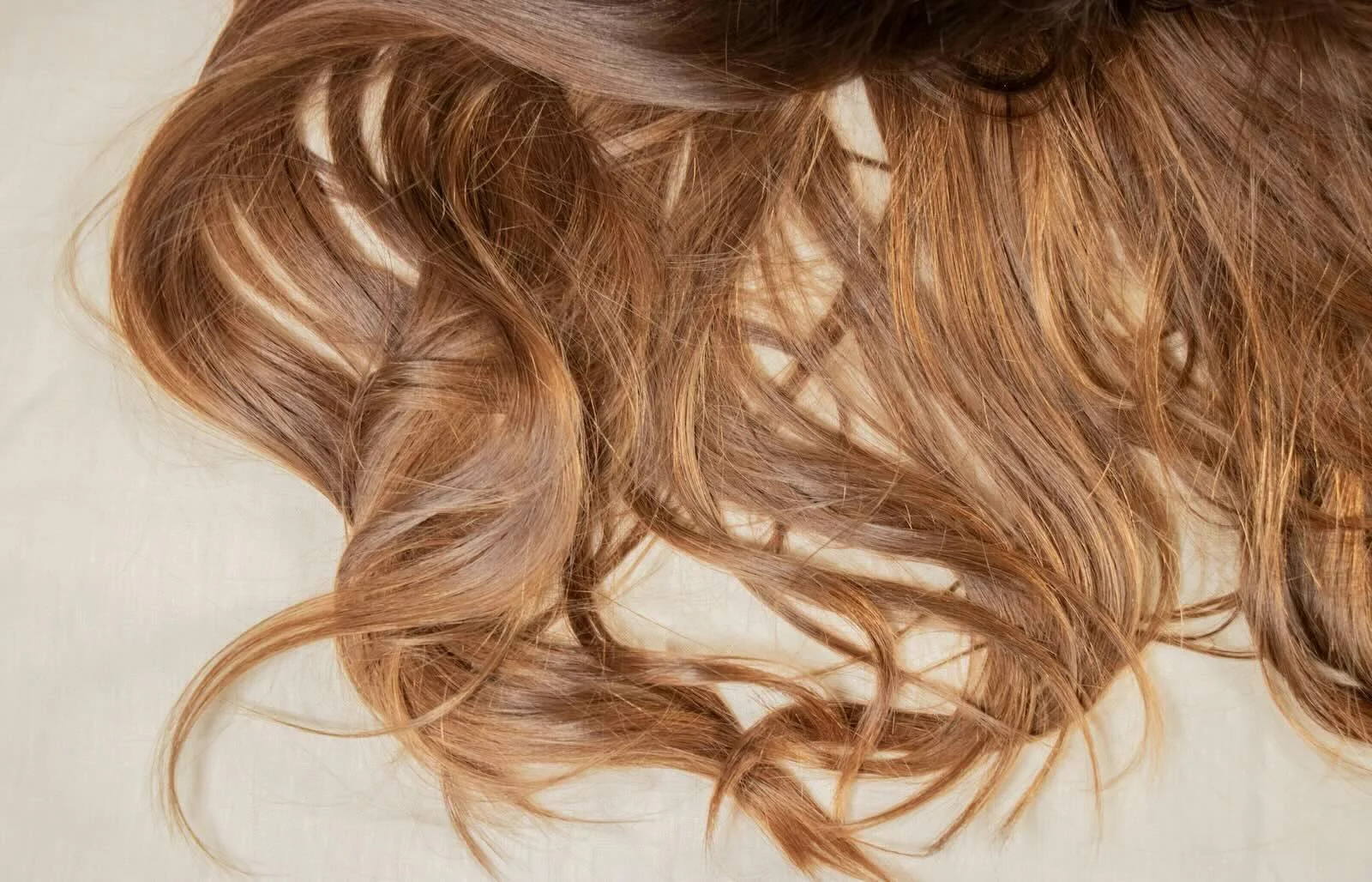
Time is part of the design.
What Day One Actually Is
The day of the appointment is a controlled environment. The lighting in the salon is designed to show color well. The blowout is fresh. The style is precise. Everything about the result has been optimized for the moment you look in the mirror before you leave. It looks finished — crisp tone, clean shape, defined texture. It looks exactly like what you asked for.
But it hasn't lived yet. The color is sitting on the hair shaft's surface, still slightly elevated from the chemical process. The toner is at its most saturated. The blowout is at its most structured. The overall effect is technically correct and emotionally a little foreign — because it doesn't look like your hair yet. It looks like a result.
Some clients leave the salon feeling slightly disconnected from what they see. The color is right, the finish is right, and yet something feels slightly loud, slightly precise, slightly more than they wanted. For most of them, that feeling resolves itself within a week. Not because anything changed — but because the hair settled, and in settling, became theirs.
What Happens Between Day One and Day Ten
The first wash removes the surface residue left by the color process and brings the tone to its true resting point. What looked slightly sharp or slightly saturated on day one softens to exactly what was intended. The natural oils that return to the scalp and work down the shaft change how the hair reflects light — from the high-gloss, uniform reflection of a fresh blowout to the more dimensional, variable reflection of hair that has movement and weight.
The shape relaxes out of the styling chair's influence. It begins responding to how you actually wear your hair — the way you sleep, the natural direction of your growth pattern, the weight distribution of your particular density. For clients with layered cuts or textured color, this settling period is when the work begins to read as intended. The contrast relaxes. The dimension becomes less even and more interesting. The color begins to look like it grew that way.
What’s happening in that shift isn’t random. It’s the interaction between tone, placement, and natural movement. The initial finish relaxes, the contrast softens, and the color begins to integrate with the hair rather than sit on top of it. When that process has been anticipated in the design, the result improves. When it hasn’t, the result drifts.
Why This Is a Sign of Good Design
Hair that improves with time isn't accidental. It's the result of specific decisions made during the appointment: placement that accounts for movement, tonal choices calibrated for how the color will behave as it softens, contrast levels that read beautifully in natural light rather than just under salon lighting.
When those decisions are made with time in mind rather than only a day-one impression, the hair doesn't decline after the appointment — it evolves. And evolution looks more natural than perfection because it is. It has absorbed the client's life. It has responded to real light, real movement, real days.
The clients who understand this stop measuring their color against day one. They stop feeling like the color is fading or that something has gone wrong. They start recognizing the settling period for what it is: the design completing itself.
For a deeper look at what it means to build color that evolves rather than expires, read The Post-Trend Era: Why Modern Clients are Choosing Subtlety Over 'Wow'.
The Client Who Fights the Settling Period
There's a version of this experience that goes wrong, and it's worth naming. Some clients, accustomed to results that peak on day one, wash their hair the night of the appointment to get back to the "just done" feeling. They style aggressively for the first week, trying to recreate the salon blowout. They come back within three weeks because the color "isn't looking right."
What they're actually experiencing is the discomfort of a result that hasn't yet settled — compounded by home care habits that work against the design. Washing too soon after color, using clarifying or sulfate-heavy shampoos, or applying high heat without protection: all of these shorten the settling period, preventing the color from reaching its full potential.
The transition from day one to day ten is also when home care matters most. What you do in the first two weeks after an appointment has an outsized effect on how the color behaves for the rest of the interval. This is why the conversation about products isn't a sales add-on — it's a structural part of the appointment.
For the full foundation on how healthy hair structure supports color over time:
Read The Discipline of Density: Why Healthy Hair is a Long-Term Investment
What Supports the Settling Period
The first two weeks after a color appointment are the most critical window for home care. A sulfate-free, color-safe shampoo — Oribe Gold Lust Repair & Restore or Davines NOUNOU Shampoo — protects the tone during the settling period and prevents the cuticle from roughening in ways that disrupt light reflection. Waiting 48 to 72 hours before the first wash after color gives the pigment time to deposit fully and the pH time to normalize.
A lightweight leave-in conditioner or hair oil — Oribe Gold Lust Nourishing Hair Oil or Davines OI Oil — applied before heat styling reduces thermal stress during the settling period and supports smooth cuticle alignment, which makes color look its best. Weekly deep conditioning in the first month maintains moisture balance, allowing the color to evolve cleanly rather than fade unevenly.
If your hair looks better on day ten than day one, it's not because it settled by accident. It's because it was built to. Once you recognize that difference, you stop chasing the reveal — and start trusting the process.
Photo by Mia Mocchi on Unsplash
Effortless Color For The Real You.