The Quiet Difference Between “Done” Hair and Designed Hair
There's a subtle difference between hair that looks finished and hair that feels considered. It's not something most people can name right away — but they sense it. One feels complete the moment you leave the salon. The other keeps working as you move through your life.
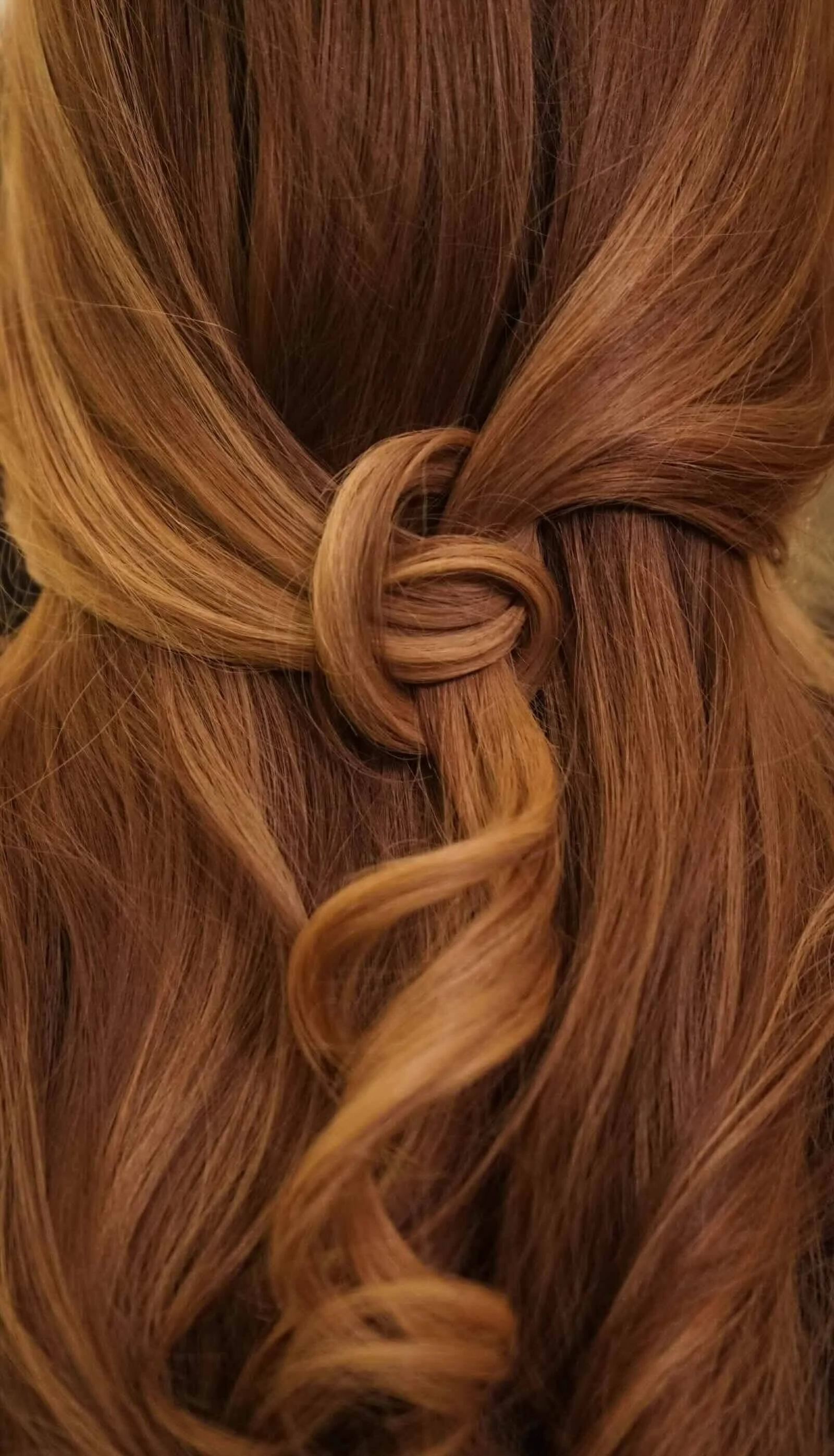
Designed hair holds together quietly—even as it moves.
What "Done" Actually Means
I know what "done" hair looks like. It's precise, perfectly toned, every strand placed correctly. The blowout is smooth. The highlights are even. The root is clean. It looks exactly like the reference photo, which is exactly what the client asked for — and for approximately two weeks, it's flawless.
Then something starts to shift. The blowout loses its shape. The root begins to show. The brightness, which was sharp and even, starts to feel heavy as the dimension fades uniformly. By week five, the result looks less like a design that's aging and more like a result that's expiring. The client comes back in feeling like she needs a correction, when what she actually needed from the start was a different kind of design.
"Done" hair is made to look right on day one. It's optimized for the moment you leave the chair — for the first photograph, the first impression, the immediate reaction. There's nothing wrong with that, and there are occasions when it's exactly what a client needs. But as a long-term strategy, it creates a cycle: a result that's great for two weeks, acceptable for another two, and then increasingly misaligned with the person wearing it until the next appointment resets the clock.
What Designed Hair Does Differently
Designed hair is built with time in mind. The colorist isn't only thinking about how the result looks today — she's thinking about how it will read in three months, how the root will integrate rather than interrupt, how the dimension will soften rather than collapse, how the overall impression will evolve rather than expire.
The technical choices that make this possible are mostly invisible. Placement that starts slightly away from the root so the grow-out is gradual rather than sudden. Tonal choices that account for how the natural base will interact with the color over time, not just how the two look next to each other on day one. Contrast levels calibrated not for maximum impact but for maximum longevity — bright enough to be present, soft enough to fade gracefully.
The result is hair that doesn't rely on precision to look right. It depends on balance. When it's slightly undone — at the end of the day, in natural light, on a morning when you didn't blow it out — it still feels aligned. Not perfect. Intentional.
This is also where restraint becomes the defining skill. It’s easy to add brightness, contrast, or correction in the moment—it’s much harder to know when to stop. Designed hair is built on that discipline. Not every section needs to be lifted. Not every tone needs to be neutralized. The integrity of the result depends on what is intentionally left alone, because that untouched structure is what allows the color to hold together as everything else evolves.
The Shift in What Clients Are Asking For
I hear a version of the same request more and more often: clients who say they don't want their hair to look "done" anymore. They want it to look like theirs. They want it to feel continuous with how they actually live — not like something they're maintaining, but something they're wearing. The language varies, but the instinct is consistent.
What they're describing is the shift from a result-focused appointment to a design-focused one. Instead of asking "what will this look like when I leave?" the better question is "what will this look like in three months, and is that still a result I want to live with?" That question changes the conversation. It changes the placement decisions. It changes the tonal direction. And ultimately, it changes how the client experiences the color—not just on day one, but throughout the entire interval.
For the foundation of how low-maintenance color design is structured to support this kind of longevity: Read Low-Maintenance Hair Color in NYC: What Actually Works
Why Day Ten Usually Looks Better Than Day One
There's a phenomenon most colorists notice but rarely explain to clients: hair almost always looks more natural — more settled, more like it belongs — about ten days after an appointment than it does the day of. The toner has softened slightly. The contrast has relaxed. The color has started to integrate with the hair it's sitting on rather than sitting on top of it.
"Done" hair tends to peak on day one and gradually move away from that peak. Designed hair tends to improve in the first two weeks as it settles, and then holds at a level that feels right for far longer. The client who asks, "Why does my hair look better now than when I left the salon?" has received a designed result. The one who asks, "Why doesn't my hair look like it did the day I got it done?" has received a finished one.
For a closer look at why that settling period matters and what it reveals about the design: Read Why Your Hair Looks Better on Day 10 Than Day 1
What Supports This Kind of Color
Designed color is built to last — but it still benefits from home care that works with it, not against it. A sulfate-free shampoo helps maintain the tonal balance that holds the design. Oribe Gold Lust Repair & Restore Shampoo or Davines NOUNOU Shampoo maintains color integrity without stripping the dimension that makes lived-in color read correctly.
A lightweight gloss or color-depositing treatment used at home every three to four weeks extends the life of the tonal direction and prevents the drift toward warmth or brassiness that pulls a clean, intentional design off course. The goal isn't to freeze the color in place — it's to let it evolve in the right direction, at the right pace, so the design continues to work the way it was built to work.
Designed hair doesn't demand attention. It rewards patience.
Photo by Olga Solo on Unsplash
Effortless Color For The Real You.