Spring Hair Color in NYC: The Return of Soft Warmth
Every spring brings a shift.
Lighter pieces. Brighter tones. A move away from the depth of winter.
This year is more controlled.
The change isn’t dramatic—it’s controlled.
Instead of high contrast and obvious brightness, the focus is on something softer:
warmth that feels natural, not applied.
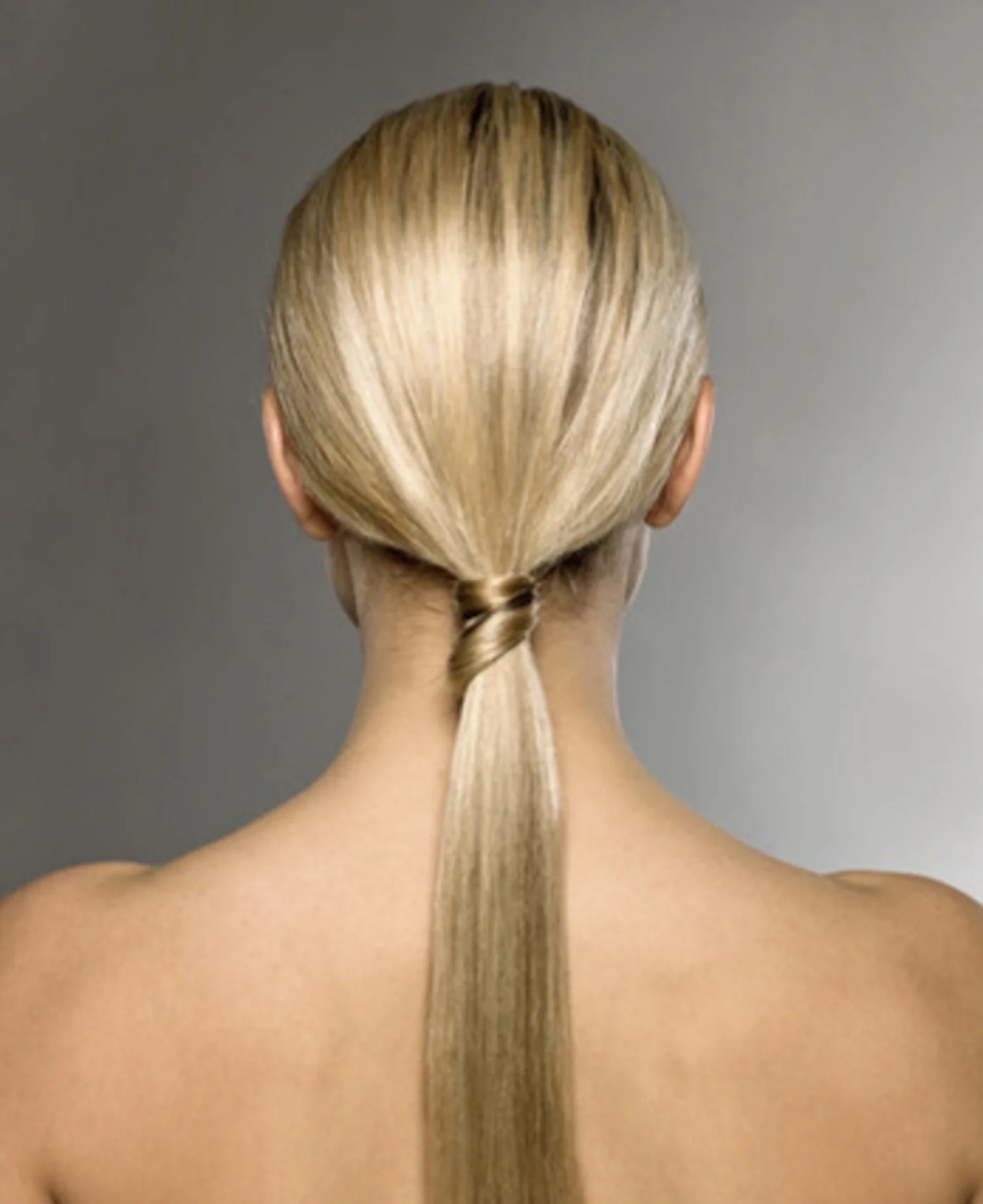
Beige blonde with controlled warmth and low-contrast dimension—refined, modern, and built for real life.
Warmth Is Back, But It’s Refined
For a long time, cool tones dominated.
Ash blondes. Muted brunettes. Color that leaned away from warmth at every step.
Now, warmth is returning—but not in the way it once did.
Not brassy.
Not overly golden.
Not exaggerated.
Instead:
soft honey
beige tones
light caramel
understated copper
Warmth is no longer the statement.
It’s the support.
The Move Away From High Contrast
What’s disappearing is just as important as what’s coming in.
Heavy highlights. Sharp lines. Bright pieces that sit on top of the hair.
They’re being replaced by:
blended transitions
low-contrast dimension
color that reads differently in movement than it does in stillness
This connects directly to
Read
The Quiet Difference Between “Done” Hair and Designed Hair.
Beige Is the New Neutral
If there’s one tone defining the moment, it’s beige.
Not flat. Not dull.
But balanced. This balanced approach is part of a broader shift toward more natural, adaptable color—explored in
Low-Maintenance Hair Color: Why It Still Requires Thought
A mix of warm and cool that adapts to different lighting and different environments.
This is why beige and “milk tea” tones are gaining attention—they don’t push in one direction.
They settle.
The Difference Between Warmth and Brass
Warmth has a reputation.
For years, it was something to avoid—associated with brassiness, imbalance, and loss of control.
But warmth itself was never the problem.
Uncontrolled warmth was.
What’s happening now is not a return to those old tones. It’s a recalibration.
Warmth is being used deliberately:
softened at the root
diffused through the mid-lengths
balanced so it doesn’t dominate
This is why modern warm tones don’t feel loud.
They don’t sit on top of the hair.
They move through it.
And when warmth is placed with restraint, it does something cooler tones often don’t:
It reflects light more naturally.
That’s what gives the color depth—without requiring contrast to create it.
Why This Works for Real Life
This shift isn’t just aesthetic.
It’s practical.
These tones:
grow out more naturally
require fewer corrections
hold up better between appointments
This is what defines low-maintenance color when it’s done correctly—not less effort, but better decisions from the start.
Read
Low-Maintenance Hair Color in NYC: What Actually Works for Busy Lives
What This Looks Like on Different Clients
On brunettes:
→ soft caramel dimension, not streaks
On blondes:
→ creamy, balanced tones instead of icy extremes
On gray transitions:
→ warmth used carefully to blend, not cover
The common thread isn’t color.
It’s restraint.
The Direction Moving Into Summer
As the season continues, this won’t become brighter.
It will become lighter in feel.
Less density.
More movement.
More air between the pieces.
The goal isn’t impact, it’s ease.
This direction reflects a larger movement toward color that feels lived-in rather than applied, as discussed in
Good Hair Is a Relationship (Not a Makeover)
Spring color isn’t about change for the sake of change.
It’s about adjustment.
A shift in tone, in balance, in how the hair lives with you.
And this season, the shift is clear:
Less contrast.
More warmth.
Better alignment.
Photo by jagadshd on Unsplash
Effortless Color For The Real You.
albertcolor.com