What Makes Balayage Last Longer? A Colorist’s Perspective
Balayage has a reputation for lasting longer than traditional highlights—and it is largely deserved. But longevity is not guaranteed by the technique alone. Real preservation must be designed from the very first decision: where the color begins, how far the lift is pushed, how much contrast is created, and what tone is placed over the finished lightener. When those structural decisions are precise, balayage looks intentional for months. When they are miscalculated, the result begins to fragment within weeks, regardless of how refined the application may have been. Longevity is not about the application alone; it is about how the technique is integrated with natural movement.
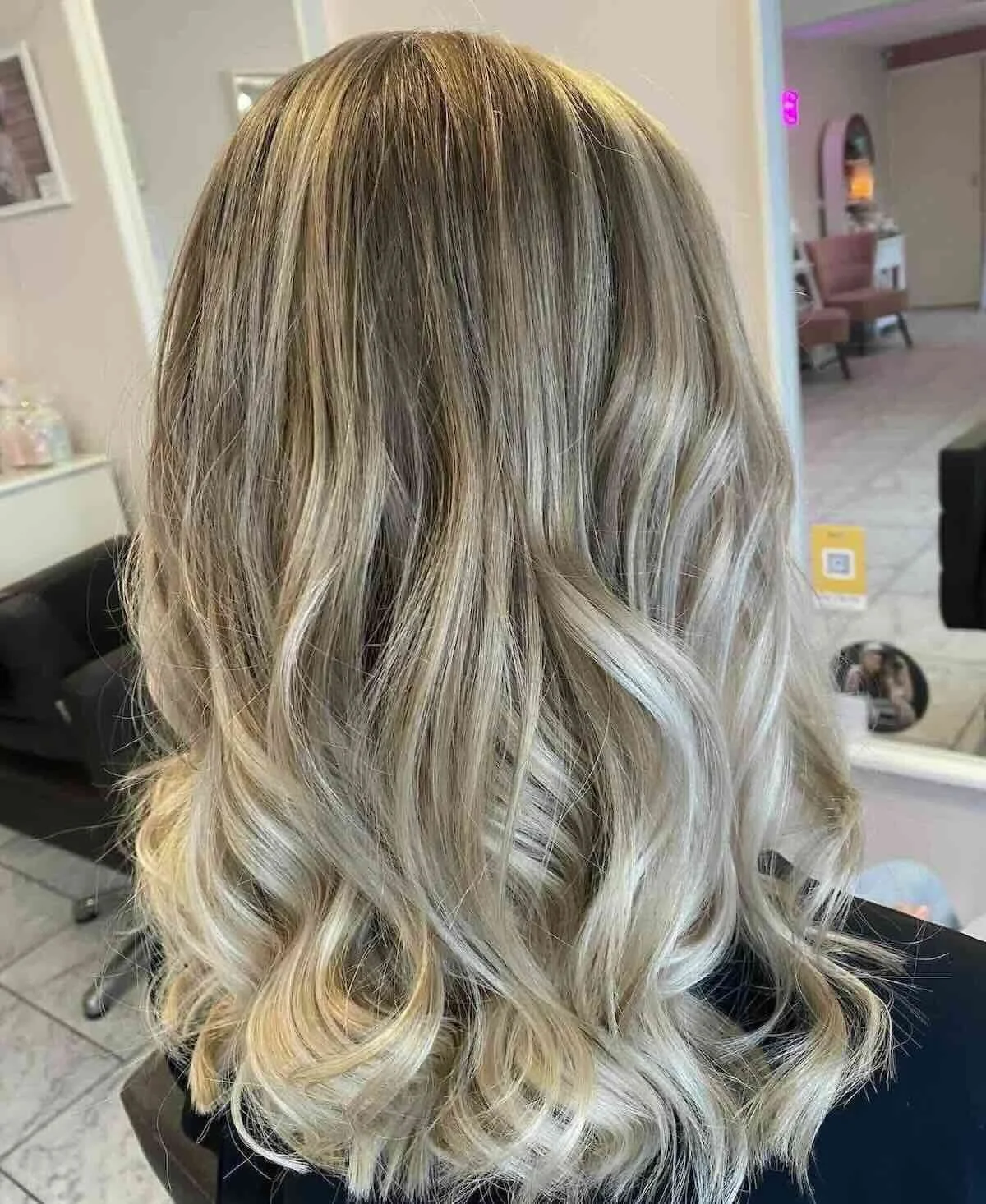
Strategic placement and balanced tone are what allow balayage to grow out softly and last beautifully.
Placement Is What Determines Grow-Out
Balayage either grows out beautifully, or it does not, and that is decided at the moment of application. When lightness is placed too close to the root, or when sections are applied without regard for how the hair naturally moves, regrowth becomes visible quickly as a sharp line. Well-designed balayage follows the hair's natural behavior. It respects where the hair separates, where density changes, and where light would naturally fall. When lightness is placed in those locations, it continues to look believable as the hair grows because it mimics something real.
Read: Balayage in NYC: Effortless, Lived-In Hair Color by a Master Colorist
Contrast Is What Controls Longevity
If placement determines how balayage grows out, contrast determines how long it feels current. High contrast—a big difference between the natural base and the lightened sections—creates an immediate impact. Still, it also shortens the lifespan of the result because the visual gap becomes more obvious as the hair grows. The instinct is often to go lighter and brighter, assuming the result will still be low-maintenance. In reality, the opposite is true. Softer contrast extends the life of the result, allowing the color to shift gradually instead of abruptly. What looks understated on day one often looks intentional at twelve or fourteen weeks.
Read: How Often Does Balayage Really Need Touch-Ups? A Master Colorist Explains
Tone Is Where Longevity Is Won or Lost
Placement creates the structure, and contrast defines the visual impact, but tone is what determines how the color ages. A balayage can look perfect when you leave the salon, but it can slowly look unrefined weeks later as the tone shifts. Cool and ash tones tend to fade faster because they sit more on the surface of the hair, revealing the underlying warmth of the lightened hair as they lift away with washing and heat exposure. That warmth is part of the chemistry of brightening, and the mistake is fighting it too aggressively. When tone is calibrated to sit just above the natural warmth rather than trying to cancel it completely, the transition is softer, and the color continues to look intentional as it evolves. A well-formulated gloss supports this process by refining tone, sealing the cuticle, and extending the longevity of the result. To protect this delicate tonal balance from mineral buildup and environmental stressors, treating the hair with a specialized hard-water remover such as Malibu C Hard Water Wellness Hair Remedy helps preserve clarity between salon visits.
Read: Low-Maintenance Hair Color in NYC: What Actually Works for Busy Lives
Texture Changes Everything
Hair texture quietly influences every decision in balayage, and ignoring it is one of the fastest ways to shorten the life of the result. Fine hair lifts quickly and can become brighter than intended with very little effort, yet it has less visual weight, so sections can appear heavier after styling than during application. On denser or coarser hair, the opposite problem occurs: if sections are too fine, the result can collapse into something that reads more like traditional highlighting than dimensional balayage. Curly and textured hair adds an entirely different layer, as placement that appears mid-length on stretched hair can sit much closer to the root once the curl contracts. Balayage is not a rigid pattern; it is a direct response to the hair in front of you.
The Support Layer Most People Overlook
Even a perfectly designed balayage can lose its clarity if it is not supported after the appointment. Repeated lightening, excessive heat, and unprotected UV exposure all contribute to structural damage and tonal drift over time. Research published in the International Journal of Cosmetic Science found that bleaching causes protein loss and oxidative damage throughout the entire hair fiber — not just at the surface — and that the damage deepens with each round of exposure. Every unnecessary lightening service costs the hair something it does not give back. This is where maintenance becomes strategic rather than corrective: rebuilding the fiber between services instead of repairing the result after it fails. K18 Leave-In Molecular Repair Hair Mask works at that structural level — reconnecting the broken peptide chains that lightening leaves behind, so the hair can continue to carry color the way it was designed to.
The Real Measure of Good Balayage
Well-designed balayage does not look like a recent appointment.
It does not look freshly done, overly bright, or overly precise. It looks like the hair naturally lives that way—with light in the right places, depth where it belongs, and a softness that does not call attention to itself. And as it grows, it continues to look natural. That is the fundamental difference between applied color and designed color.
Effortless Color For The Real You.