Winter Hair Color in NYC: Low-Maintenance Options That Actually Last
Winter in New York is as much a light problem as a temperature one. The city moves indoors, the days shorten, and the quality of the light that falls on hair — through office windows, under fluorescent ceilings, in the flat gray of December afternoons — changes in ways that make certain color strategies work, and others fail. Color designed without accounting for that environment will always look slightly off by January. The goal of winter color is not to go darker. It is to design a color that holds its shape in the light that actually exists.
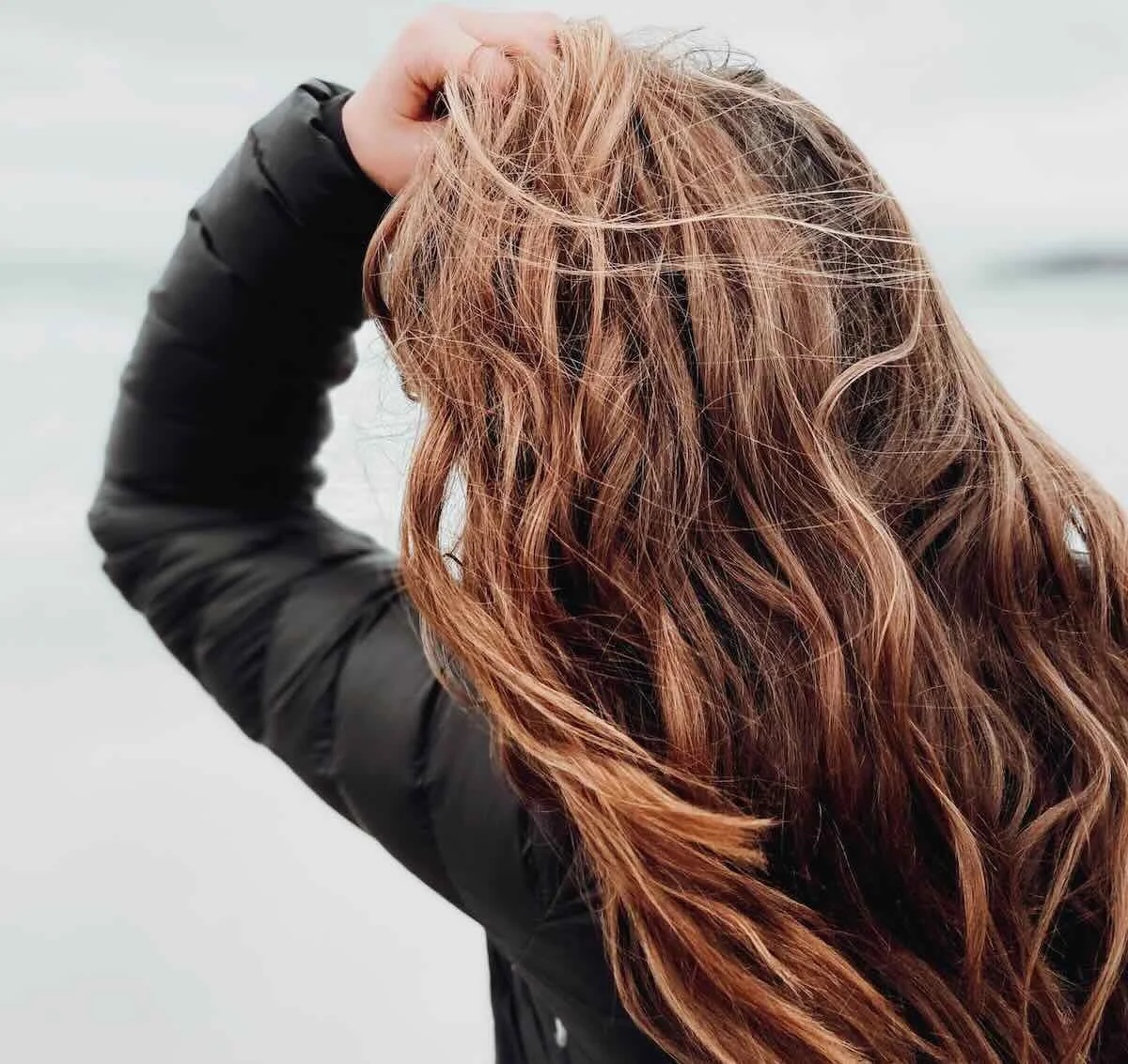
Winter hair color in NYC should focus on depth, tone balance, and seamless grow-out — not dramatic contrast.
What Winter Light Does to Hair Color
The optical conditions of a New York winter are specific and demanding. Natural light comes from a lower angle than in any other season, which means it hits the hair from the side rather than from above — a quality of illumination that emphasizes horizontal texture, surface condition, and tonal depth rather than the brightness of individual highlighted sections. The strong, top-down light of summer, which makes balayage pop and blonde shimmer, is not present in December. In its place is a cooler, more lateral light that reveals dimension differently.
This is why color that relies primarily on lightness — very bright blonde, high-contrast highlights, aggressively lifted sections — can look flat or harsh in winter. The dramatic visual separation between the dark root and the bright end, which reads as dimensional in summer light, becomes an unresolved contrast problem in winter. The hair that reads most beautifully in December is hair with controlled depth: rich, multi-tonal color that uses the winter light to reveal complexity rather than fighting it for brightness.
Read: Balayage in NYC: Effortless, Lived-In Hair Color by a Master Colorist
Depth as a Design Strategy, Not a Seasonal Trend
Going deeper in winter is often described as a trend, as though clients are drawn to darker shades the way they gravitate toward heavier coats. The reality is more structural than that. Depth in winter color design serves a specific optical function: it creates a foundation against which lighter pieces can read as genuinely dimensional rather than merely bright. A winter brunette with three tonal registers — a deep, rich base, a mid-tone that catches directional light, and subtle lighter movement through the mid-lengths — will read as more complex and interesting than a flat dark brown or a heavily lightened blonde in the same light conditions.
This is also why lowlights — the addition of slightly darker tones into existing color — are a specifically winter-useful service. They are not about making hair darker for aesthetic reasons. They are about restoring depth to color that has lost it through lightening, fading, or tonal drift, so that the lighter elements have something to contrast against and the overall result reads as dimensional rather than uniform.
Research published in the International Journal of Cosmetic Science and indexed by the National Library of Medicine confirms that hair surface condition directly underlies visually perceived attributes, including shine, color, and three-dimensional perception — and that cleansing and styling regimens alter the cuticle in ways that are measurable and perceivable.
The implication for winter color is direct: as the cuticle accumulates the wear of months of heating systems, low outdoor humidity, and indoor environments that strip moisture, the hair's surface condition degrades, flattening how color reads. A winter color strategy must account for both tonal design and fiber condition — they are not separate conversations.
Tone Control in the Darker Months
Winter presents a specific tonal challenge: without the UV exposure that drives tonal drift in spring and summer, color tends to hold its deposit longer — but the colors that were calibrated for a more luminous environment can look different under winter light than they did when applied. Cool, ashy tones that read as precise and sophisticated in bright conditions can look flat, slightly gray, or drained against winter skin. Warm tones, which add richness without increasing lightness, tend to perform more reliably through the colder months.
Brassiness — the emergence of underlying warm pigment through a cooler deposit — is a genuine winter concern, but the solution is rarely more ash. Overcorrecting toward cool to neutralize brassiness creates a color that clashes with the skin tone rather than complementing it. The correct approach is tonal balance: a warm neutral that neutralizes the specific range of brassiness at issue while preserving the richness that winter light rewards. This is where a well-formulated gloss service — calibrated to the individual's current color and skin tone — does more work than any product applied at home.
Read: Low-Maintenance Hair Color in NYC: What Actually Works for Busy Lives
Winter and the Grow-Out Cycle
One of the underappreciated advantages of winter for color clients is that it is genuinely the best season for extended grow-out. The lower light angle that makes high-contrast color challenging is also more forgiving of natural root growth — the softer, more directional winter illumination makes the root-to-color transition less visible, allowing clients with well-designed balayage or blended dimension to comfortably extend the time between appointments. A client whose summer schedule requires a return every ten weeks may comfortably go twelve or fourteen weeks in winter without the result looking overdue.
This is not an accident of the calendar. It is a feature of the design for clients whose color has been built with grow-out behavior in mind from the start. Soft root diffusion, balanced contrast, and a tonal direction calibrated to work with the natural base rather than against it are what make this extended cycle possible.
Read: What Makes Balayage Last Longer? A Colorist's Perspective
The Support Layer for Winter Color
Winter's specific challenges — dry indoor air, reduced UV, lower ambient light, and the cumulative effect of months of heating systems on hair moisture — call for support calibrated to the season. L'Oréal Professionnel Vitamino Color Shampoo preserves tonal deposit while maintaining the cuticle moisture balance that winter heating strips away. Olaplex No. 6 Bond Smoother, worked through damp hair before drying, seals the cuticle and controls the static that dry winter air creates — static being one of the primary forces that disrupts the smooth surface alignment that lets color read clearly. And Nioxin System 4 Leave-In Treatment, formulated for dry, color-treated hair, addresses the scalp-level dryness the heating season exacerbates, which quietly affects color retention near the root.
Each addresses a specific winter failure mode. Together, they maintain the surface condition that determines how designed color reads between December and March.
Winter Color as the Foundation for Spring
Winter color is not a holding pattern between the more photogenic seasons. It is the foundation that makes spring work. Clients who maintain their color intelligently through the darker months — keeping the fiber in good condition, controlling the tone, and allowing the grow-out to proceed without forcing premature correction — arrive in March with hair ready for a light, precise seasonal adjustment rather than a rescue. The spring shift is subtle and elegant when winter is handled well. It becomes an overhaul when it was not.
This is the logic behind designing color for the whole year rather than the next appointment. Winter is not the off-season. It is part of the cycle.
It is where good color proves itself.
Photo by Xan Doane on Unsplash
Effortless Color For The Real You.